
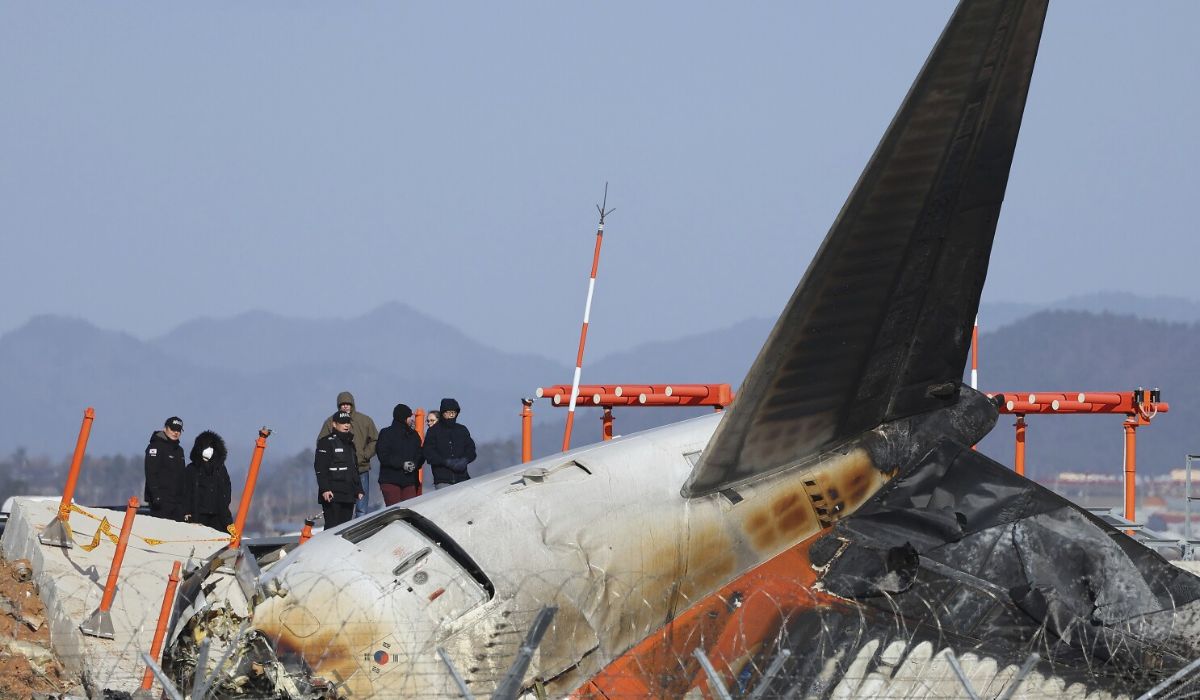
Introduction
Flying is one of the safest modes of transportation, but when a plane crash occurs, it captures global attention. With advancements in technology, aviation safety has improved significantly. However, understanding why plane crashes happen, how they can be prevented, and what to do in case of an emergency can provide valuable insights for travelers.
Let’s explore everything about plane crashes, from causes to survival strategies
What Causes a Plane Crash?
Plane crashes happen due to a combination of factors. While modern aviation is incredibly safe, no system is completely foolproof. Let’s break down the primary causes.
Mechanical Failures and Malfunctions
Even the most advanced aircraft can experience mechanical issues. Engine failure, electrical system malfunctions, and structural weaknesses can contribute to crashes. However, regular maintenance and rigorous inspections help prevent these issues.
Human Error: The Leading Factor
Pilots and air traffic controllers play a crucial role in flight safety. Miscommunication, miscalculations, and fatigue can lead to catastrophic mistakes. Training programs focus heavily on minimizing human error, but it remains a significant risk.
Weather-Related Incidents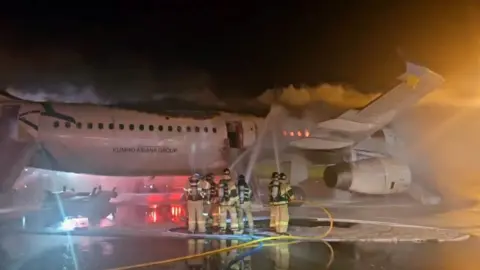
Turbulence, lightning, storms, and fog can make flying dangerous. Poor visibility and strong winds can affect takeoff, landing, and in-flight navigation. Pilots rely on sophisticated instruments to navigate harsh conditions, but severe weather can still be a major threat.
Bird Strikes and Other External Factors
Birds can cause engine damage or break windshields, leading to potential crashes. Other external factors, such as drones or volcanic ash, also pose risks.
Terrorism and Hijackings
While rare, terrorism remains a concern. Security measures at airports and onboard flights have improved significantly to prevent such incidents.
Preventive Measures and Safety Protocols
Airlines and aviation authorities enforce strict safety protocols to prevent crashes. These include advanced pilot training, aircraft maintenance, real-time monitoring, and AI-driven automation.
Emergency Response and Crash Investigations
When a plane crash occurs, aviation experts conduct thorough investigations. Black boxes (flight data recorders) help determine the cause, leading to improvements in safety regulations.
How to Survive a Plane Crash?
Survival rates for plane crashes vary, but following these tips can increase your chances:
- Wear Your Seatbelt: Keep it fastened throughout the flight.
- Choose the Right Seat: Studies suggest seats near the exit rows offer better survival odds.
- Follow Crew Instructions: Listen carefully to flight attendants’ safety demonstrations.
- Brace for Impact: Adopt the correct brace position to minimize injuries.
- Move Quickly: Evacuate as fast as possible if you survive the impact.
Notable Plane Crashes in History
- Malaysia Airlines Flight MH370 (2014) – Mysteriously disappeared.
- Air France Flight 447 (2009) – Crashed due to sensor malfunctions.
- United Airlines Flight 93 (2001) – Hijacked during 9/11 attacks.
- Japan Airlines Flight 123 (1985) – Worst single-aircraft accident.
Lessons Learned from Past Accidents
Each tragedy brings valuable insights that help improve aviation safety. New technologies, stricter regulations, and improved training programs have emerged from past crashes.
Debunking Myths About Plane Crashes
- “Planes crash often.” – In reality, plane crashes are extremely rare.
- “You can’t survive a crash.” – Many crashes have survivors.
- “Turbulence is dangerous.” – It’s uncomfortable but rarely causes crashes.
The Future of Aviation Safety
The aviation industry is continuously evolving. AI-driven autopilot systems, real-time monitoring, and improved aircraft designs promise a safer future.
Psychological Impact on Survivors
Survivors often experience PTSD and anxiety. Counseling and support groups help them recover from the trauma.
Final Thoughts and Key Takeaways
Flying remains the safest mode of transportation, but understanding the risks and safety measures helps passengers feel more secure. Aviation continues to advance, making air travel even safer in the futur
1. What is the safest part of a plane in a crash?
Studies suggest the rear seats have a slightly higher survival rate, but no seat guarantees safety.
2. How often do plane crashes occur?
Commercial plane crashes are rare, with odds of about 1 in 11 million.
3. Can turbulence cause a plane to crash?
Turbulence is common and rarely causes crashes. Pilots are trained to handle it.
4. What should I do if my plane is crashing?
Follow crew instructions, brace for impact, and evacuate immediately if possible.
5. How long does a plane crash investigation take?
It varies but can take months or even years, depending on the complexity of the crash.