

Have you ever seen a horizontal metal bar suspended between two ropes or chains and wondered what it does? That simple-looking device is called a spreader bar, and despite its modest appearance, it plays a powerful role in lifting, stability, support, and even recreation. From construction sites to hospital rooms and home gyms, this tool quietly ensures balance and safety.
Think of it like the shoulder pole used to carry two buckets of water evenly. Without that pole, the weight would pull awkwardly on one side. A spreader bar works in a similar way—it distributes force, keeps things steady, and prevents stress in the wrong places. In this guide, we’ll explore what it is, how it works, where it’s used, and how to choose the right one.
What Is a Spreader Bar?
A spreader bar is a rigid bar designed to distribute weight or force across a wider area. It is typically connected to ropes, chains, straps, or lifting slings. Its main purpose is to keep lifting points apart so the load remains stable.
Instead of allowing ropes to angle inward and create pressure, this tool maintains proper spacing. That simple adjustment prevents damage, improves balance, and enhances safety.
You’ll find them in industries where controlled lifting or support is necessary. They may look simple, but their engineering is deliberate and precise.
How a Spreader Bar Works
Weight Distribution
The primary function is force distribution. When lifting a heavy object, pressure can build at certain angles. By spreading connection points apart, the load remains evenly supported.
Reducing Stress
Without proper spacing, slings can press inward and cause bending or crushing. A spreader bar keeps tension vertical rather than angled.
Maintaining Stability
Stability is key in lifting operations. The bar prevents swinging or twisting, especially when handling long or fragile objects.
Imagine carrying a large mattress by yourself without support—it bends and folds. Now imagine holding it with a firm frame keeping it straight. That’s essentially what this tool does.
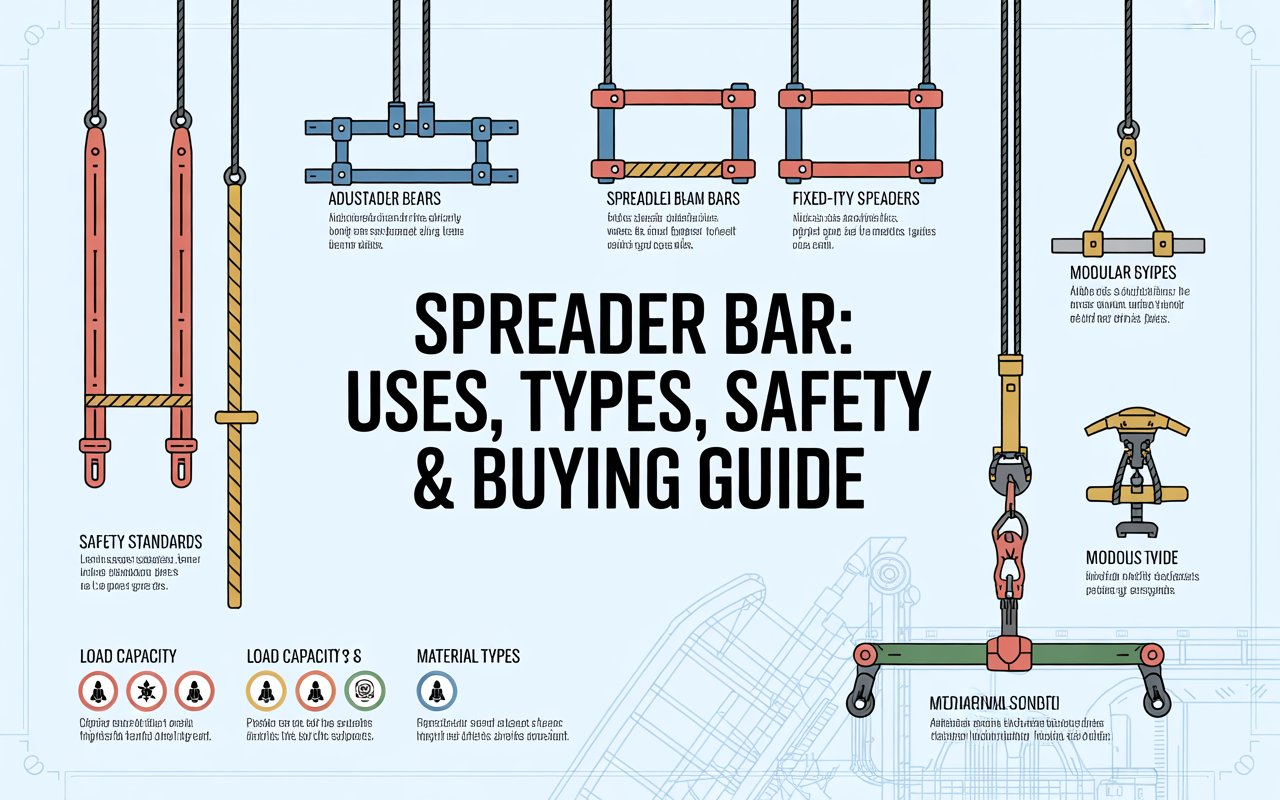
Common Types and Designs
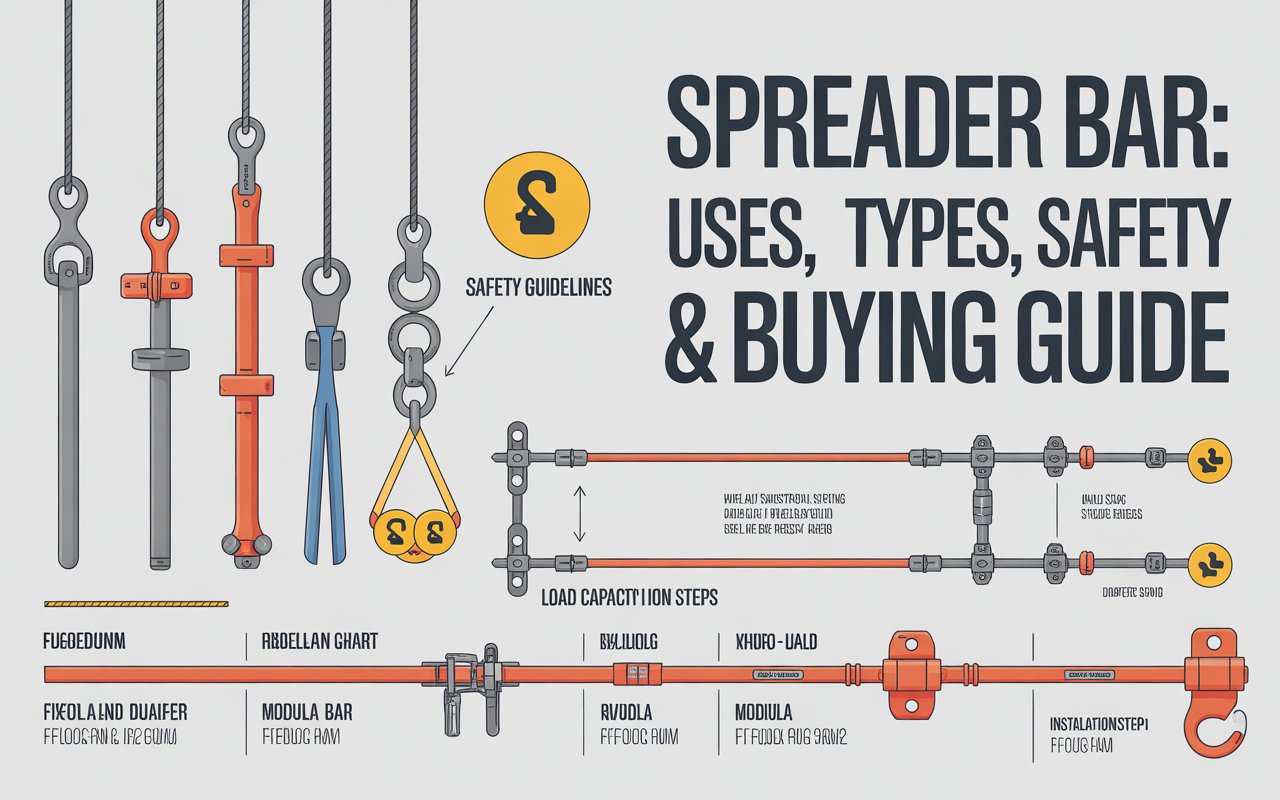
There are several variations depending on purpose:
Fixed-Length Bars
These are solid, non-adjustable units designed for specific load sizes.
Adjustable Bars
These allow users to modify length depending on the width of the object being lifted.
Modular Systems
Used in heavy industries, these systems can be assembled in different configurations.
Specialized Designs
Certain models are created for medical or recreational applications, featuring padding or ergonomic features.
Each type serves a distinct function, so choosing the right design matters greatly.
Materials and Build Quality
The material determines strength and durability.
Steel
Common in industrial environments due to high strength and load capacity.
Aluminum
Lightweight yet strong, often used where portability is important.
Stainless Steel
Built to withstand rust and environmental damage, making it perfect for marine settings and open-air conditions.
Coated or Padded Bars
Used in healthcare or recreational contexts to ensure comfort and hygiene.
When selecting one, always consider the environment it will operate in. Exposure to moisture or chemicals demands specific materials.
Uses in Construction and Lifting
In construction, lifting beams, pipes, and heavy panels requires precise control. A spreader bar prevents compression damage and keeps loads level.
Crane Operations
Used alongside cranes to lift long materials evenly.
Shipping and Logistics
Protects cargo from bending or stress during loading.
Industrial Rigging
Ensures structural components remain stable during installation.
Without proper spacing tools, lifting operations become riskier and less efficient.
Applications in Healthcare
In medical environments, this tool plays a very different role.
Patient Lifting Systems
Hospitals use padded versions to support safe patient transfers.
Rehabilitation Equipment
Assists in controlled movement exercises.
Mobility Support
Helps maintain comfort and stability for individuals with limited movement.
Here, safety and comfort are equally important. The design ensures weight is distributed gently to avoid discomfort or injury.
Fitness and Recreational Uses
You might be surprised to learn this tool appears in gyms too.
Home Gyms
Used in cable machines to allow balanced pulling.
Strength Training
Helps distribute resistance evenly across both arms.
Outdoor Activities
Sometimes integrated into suspension systems for balance.
In fitness, it improves posture and prevents uneven muscle strain.
Marine and Sailing Applications
In boating, spreader bars are part of mast support systems.
Sailboats
They keep rigging lines properly spaced to stabilize the mast.
Fishing Equipment
Certain trolling setups use spreader-style rigs to widen bait presentation.
Marine environments demand corrosion-resistant materials to withstand saltwater conditions.
Safety Considerations
Safety should never be overlooked.
Load Rating
Always check maximum weight capacity.
Proper Attachment
Use compatible hooks, slings, or connectors.
Inspection Before Use
Look for cracks, rust, or bending.
Training
Operators must understand correct setup procedures.
Ignoring safety guidelines can lead to serious accidents. Would you trust a bridge without checking its structure? The same logic applies here.
How to Choose the Right One
Selecting the right bar depends on purpose.
Identify the Application
Is it for lifting steel beams or assisting patient movement?
Consider Weight Capacity
Match load rating to your needs with a safety margin.
Check Material Quality
Ensure durability for the environment.
Evaluate Adjustability
Do you need flexibility for varying sizes?
Think of it like buying shoes—you wouldn’t choose hiking boots for a formal event. The right tool depends on context.
Maintenance and Inspection Tips
Proper care extends lifespan.
Regular Cleaning
Remove dust, salt, or debris.
Check Connections
Inspect bolts, welds, and hooks.
Store Properly
Keep in a dry environment to prevent corrosion.
Consistent upkeep helps catch minor faults early, stopping them from turning into costly or dangerous failures.
Common Mistakes to Avoid

Many accidents happen due to simple errors.
Overloading
Exceeding weight limits weakens structure.
Improper Rigging
Incorrect sling angles defeat the purpose.
Skipping Inspections
Wear and tear can go unnoticed.
Using Wrong Type
Industrial bars should not replace medical-grade equipment.
Awareness reduces risk significantly.
Benefits of Using a Spreader Bar
Why is this tool so widely used?
-
Improved Stability
-
Even Weight Distribution
-
Reduced Material Damage
-
Enhanced Safety
-
Versatility Across Industries
Its adaptability makes it valuable in construction, healthcare, marine, and recreational settings.
FAQs
1. What is a spreader bar mainly used for?
It is primarily used to distribute weight evenly during lifting or support tasks to maintain balance and prevent damage.
2. How do I know which size spreader bar to choose?
You should consider the width of the load and the required load capacity, ensuring it meets safety standards.
3. Can a spreader bar be used for patient lifting?
Yes, specially designed padded versions are commonly used in healthcare settings for safe patient transfers.
4. What materials are best for outdoor use?
Stainless steel or corrosion-resistant aluminum are ideal for outdoor or marine environments.
5. How often should a spreader bar be inspected?
It should be inspected before each use and undergo regular maintenance checks depending on frequency of operation.
Final Thoughts
A spreader bar may not grab headlines, but it quietly supports critical tasks across many industries. Whether lifting heavy materials, assisting patient care, or stabilizing marine rigging, its role is all about balance and control.
When chosen carefully and used responsibly, it becomes an indispensable tool. Simple in design yet powerful in function, it proves that sometimes the smallest components carry the greatest responsibility.