
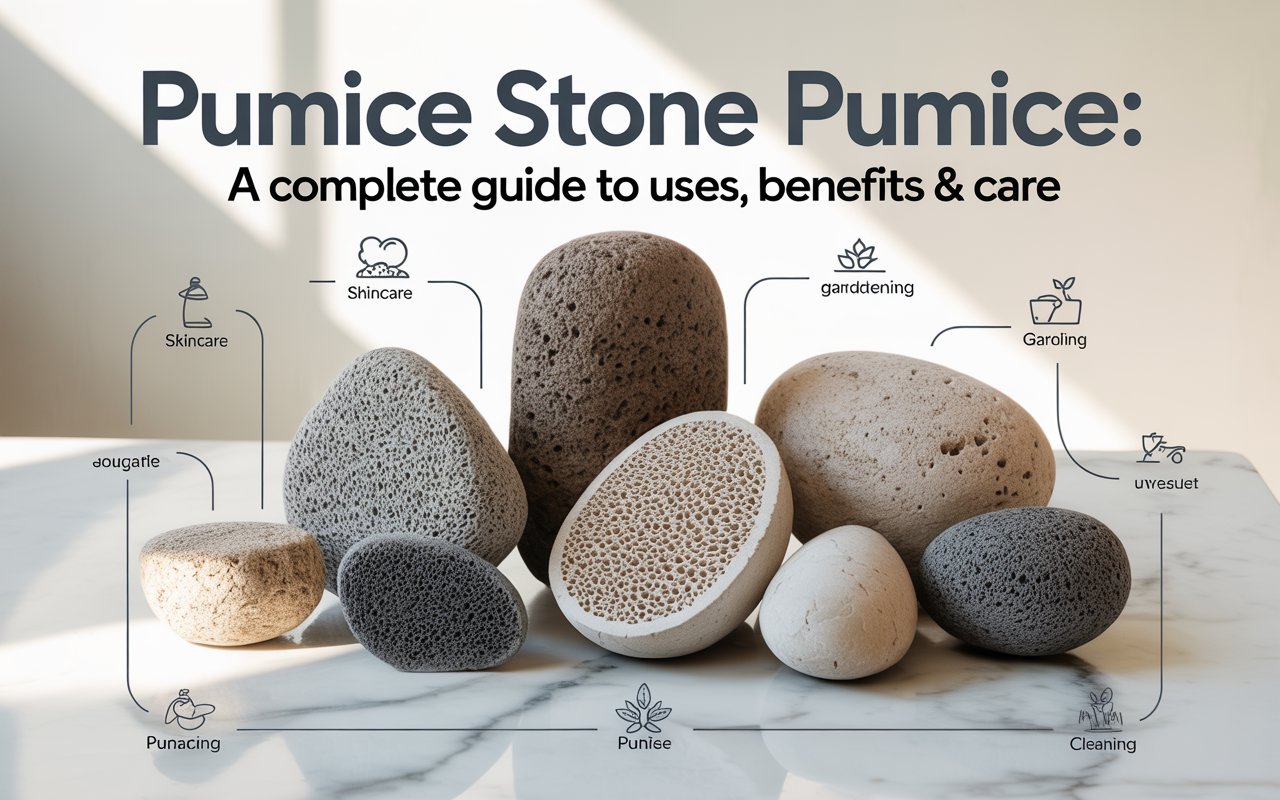
Have you ever picked up a stone that feels surprisingly light, almost like it could float? That’s the magic of pumice. This natural volcanic rock has been quietly helping people for centuries—from smoothing rough skin to cleaning tough stains. But what exactly makes it so useful, and how can you use it safely in your daily life?
Think of pumice like nature’s gentle scrub brush—simple, effective, and surprisingly versatile. In this guide, we’ll explore everything you need to know about pumice, from how it forms to how it can improve your skincare and home routine.
What Is Pumice Stone?
Pumice is a type of volcanic rock formed when lava cools rapidly and traps gas bubbles inside. These bubbles create a porous texture, making the stone incredibly lightweight.
Key Point:
It’s one of the few stones that can actually float on water.
How Pumice Is Formed
Imagine molten lava erupting from a volcano. As it cools quickly, gases escape, leaving behind tiny holes. These holes give pumice its sponge-like appearance.
In simple terms:
It’s like bread rising in the oven—air pockets form, making it light and airy.
Unique Properties of Pumice
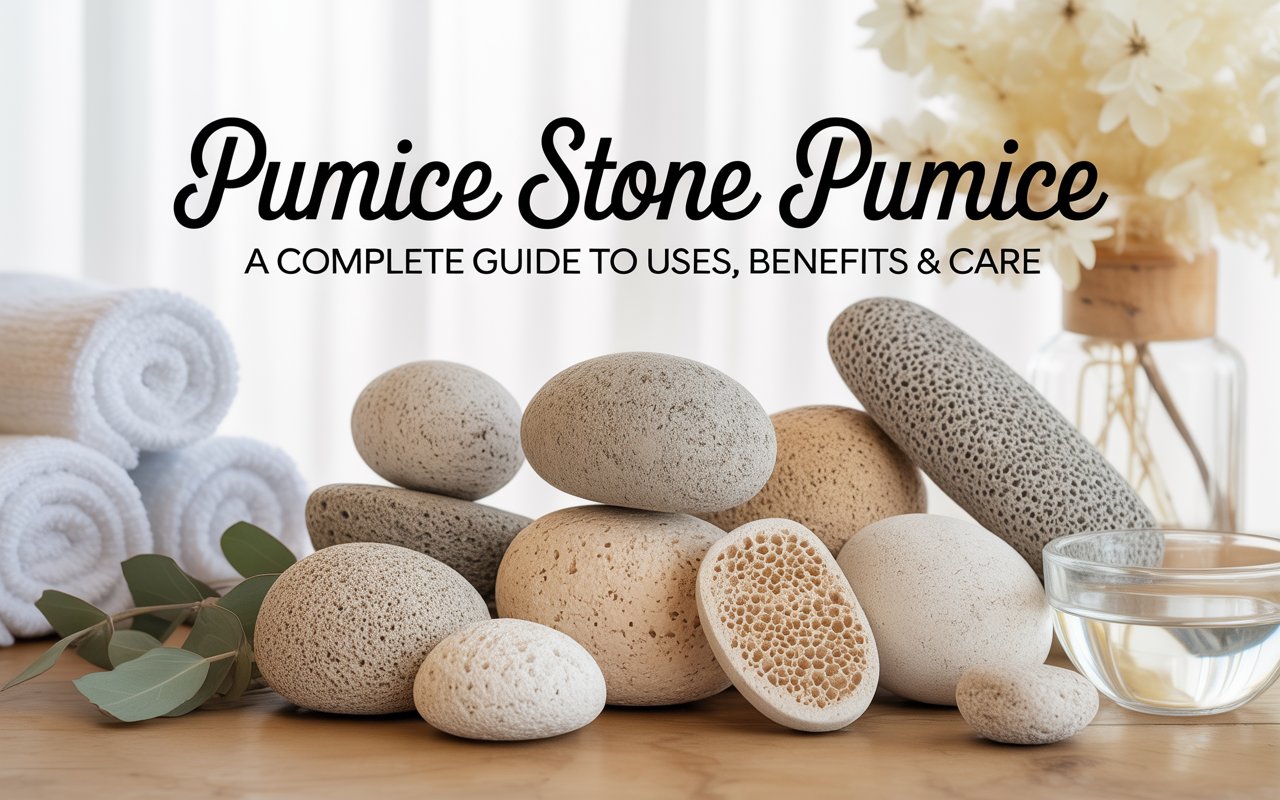
What makes pumice special?
-
Lightweight
-
Porous texture
-
Mild abrasiveness
-
Non-toxic and natural
These features make it ideal for both personal care and practical uses.
Common Uses of Pumice
Pumice isn’t just for one purpose—it’s incredibly versatile.
Popular uses include:
-
Removing dead skin
-
Cleaning surfaces
-
Polishing materials
-
Improving soil quality
It’s one of those rare tools that fits into both your bathroom and your toolbox.
Skincare Benefits
Pumice is widely cherished as a go-to natural tool for effective and gentle skincare.
Exfoliation
It softly exfoliates away dead skin, leaving your surface feeling fresh and noticeably smoother.
Callus Removal
Ideal for smoothing tough spots such as heels, elbows, and hands.
Improved Circulation
Using pumice stimulates blood flow, giving your skin a healthy glow.
Tip:
Always use it on damp skin to avoid irritation.
Household Cleaning Uses
Pumice can tackle tough cleaning jobs without harsh chemicals.
Stain Removal
It works well on stubborn stains in toilets, grills, and tiles.
Grease Cleaning
Breaks down baked-on grease in ovens and pans.
Why it works:
Its abrasive texture scrubs without scratching most hard surfaces.
Pumice in Gardening
Gardeners love pumice for its ability to improve soil.
Better Drainage
It prevents water from pooling around roots.
Aeration
Allows roots to breathe more easily.
Moisture Control
Balances water retention and drainage.
Think of it as giving your plants a more comfortable “home.”
Industrial and Commercial Uses
Beyond homes, pumice plays a role in many industries.
-
Used in construction materials
-
Found in cosmetics
-
Added to polishing compounds
Its versatility makes it valuable in both small and large-scale applications.
How to Use Pumice Safely
Using pumice is simple, but technique matters.
Step-by-Step:
-
Soak the skin or surface
-
Wet the stone
-
Gently rub in circular motions
-
Rinse and moisturize
Important:
Never use it on dry or sensitive skin.
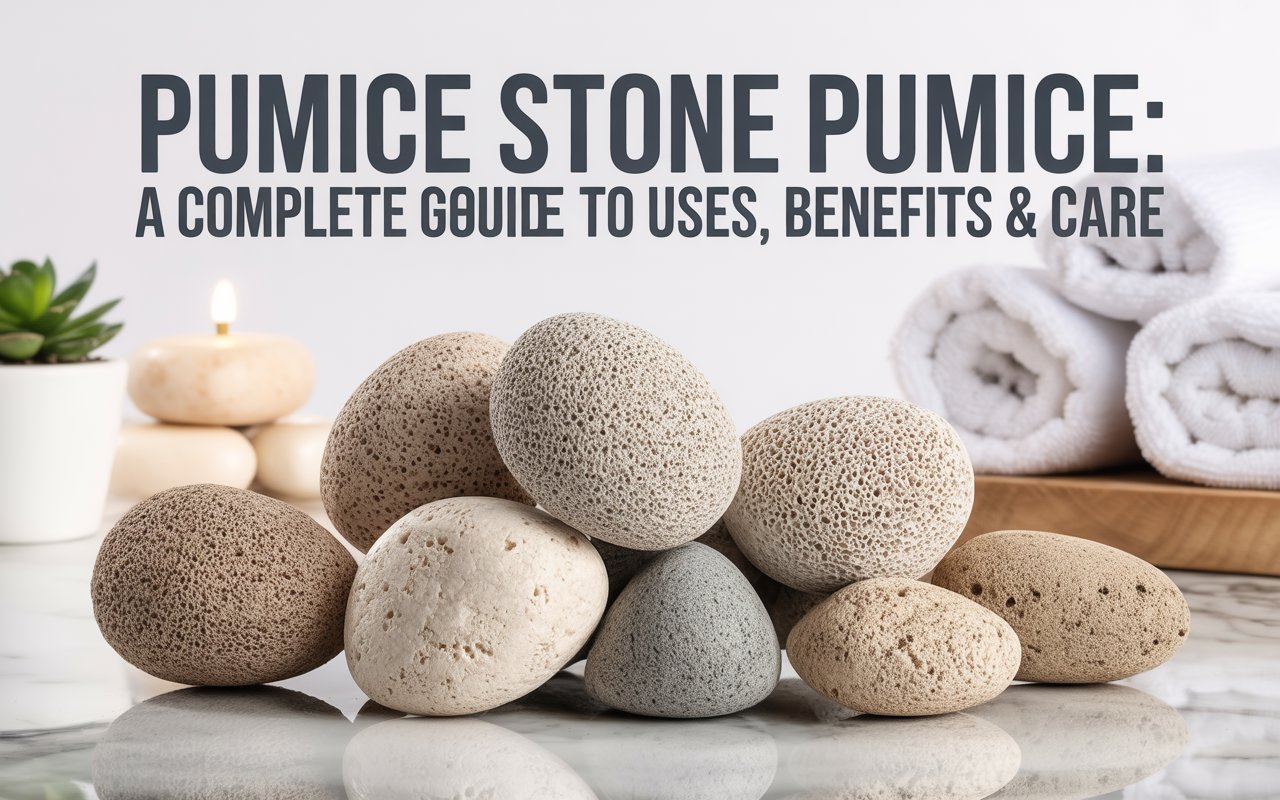
Choosing the Right Pumice Stone
Not all pumice stones are the same.
Factors to Consider:
-
Texture: Fine vs coarse
-
Shape: Easy grip
-
Size: Suitable for your needs
A smoother stone works best for delicate areas, while rougher ones are better for tough spots.
Cleaning and Maintaining Your Stone
To keep your pumice effective:
-
Rinse after each use
-
Let it air dry
-
Occasionally disinfect it
Why it matters:
A clean stone prevents bacteria buildup and lasts longer.
Risks and Precautions
While pumice is generally safe, misuse can cause problems.
Possible Issues:
-
Skin irritation
-
Over-exfoliation
-
Minor scratches
Safety Tip:
Apply it with a light touch, limiting use to a few times per week to avoid irritation.
Natural vs Synthetic Alternatives
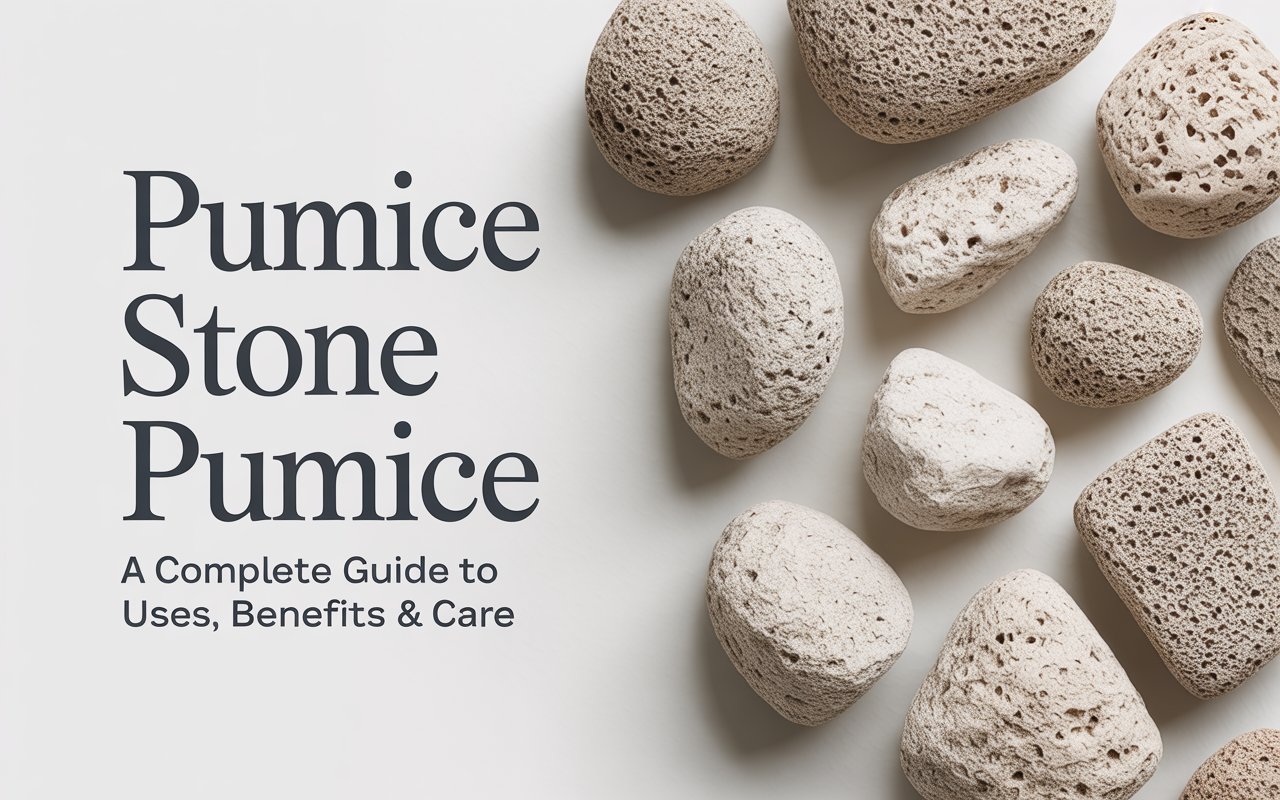
There are alternatives to pumice, but how do they compare?
Natural Pumice
-
Eco-friendly
-
Biodegradable
-
Gentle
Synthetic Options
-
Uniform texture
-
Longer-lasting
-
Sometimes harsher
Choosing depends on your preference and intended use.
Environmental Impact
Pumice is a natural material, but mining still affects the environment.
Positive Aspects:
-
Non-toxic
-
Long-lasting
-
Reusable
Concerns:
-
Extraction impact
-
Transportation footprint
Using it responsibly helps reduce environmental effects.
FAQs
1. Can pumice stone be used daily?
No, it’s best to use it 2–3 times a week to avoid skin irritation.
2. Does pumice stone remove hair?
Yes, it can help remove fine hair when used gently, but it’s not a primary hair removal method.
3. Is pumice safe for sensitive skin?
It can be, but you should use a finer stone and apply very light pressure.
4. How long does a pumice stone last?
With proper care, it can last several months before needing replacement.
5. Can pumice damage surfaces?
It may scratch delicate materials, so always test on a small area first.
Final Thoughts
Pumice might look like an ordinary stone, but it’s anything but ordinary. From smoothing your skin to helping your plants grow, it’s a simple tool with powerful uses.
Isn’t it fascinating how something formed deep within the earth can become part of your daily routine? Whether you’re using it for beauty, cleaning, or gardening, pumice proves that sometimes the simplest solutions are the most effective.