
Introduction
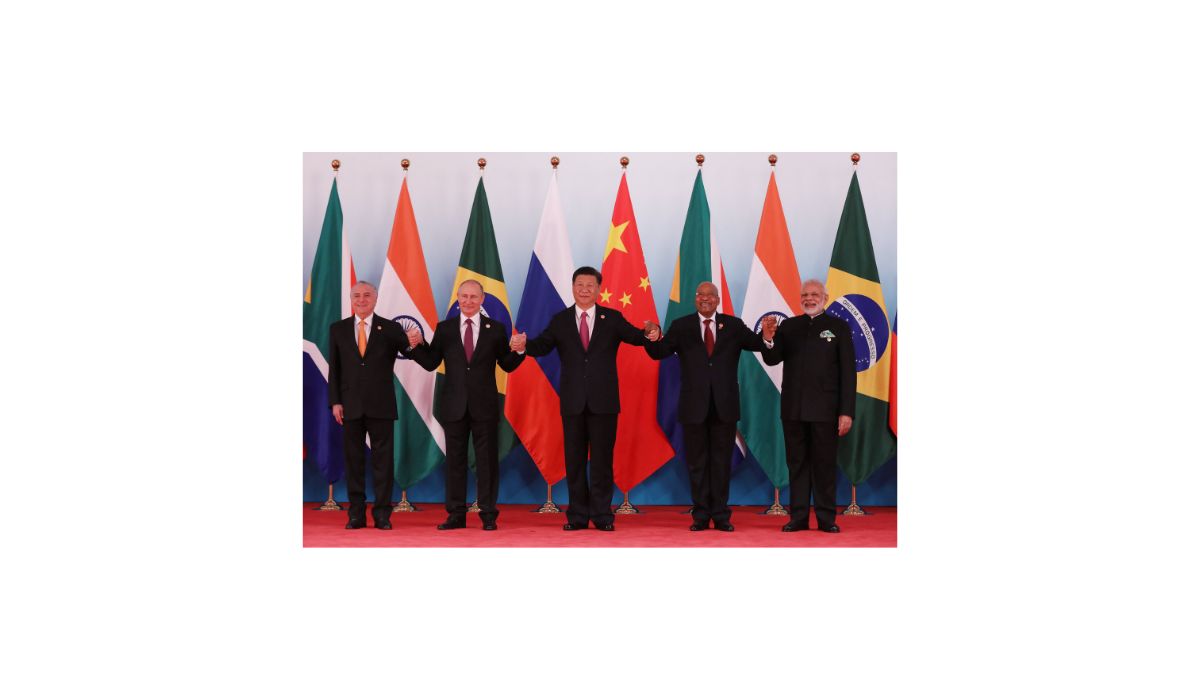
Have you ever wondered how countries around the world join forces to create a bigger impact on the global stage? Enter the BRICS nations—an alliance of five rapidly developing economies: Brazil, Russia, India, China, and South Africa. Together, these countries represent a significant chunk of the world’s population and economic growth. But what exactly makes BRICS so important, and how does this alliance work? Let’s dive in and find out.
What Does BRICS Stand For?
BRICS is an acronym that represents Brazil, Russia, India, China, and South Africa. Each of these countries is a rising power with a significant influence on regional and global affairs. The term was initially coined in 2001 by Jim O’Neill, a British economist, to highlight the potential economic growth of these nations.
The Origin and Evolution of BRICS
BRICS officially came into existence in 2009 when the first summit was held. Initially, it was just BRIC (without South Africa), but in 2010, South Africa joined the group, adding another layer of diversity and influence. Over the years, BRICS has evolved from an economic concept into a political and diplomatic coalition.
Member Nations and Their Contributions
Brazil
Known for its vast natural resources and agricultural output, Brazil is often called the “breadbasket of the world.”
Russia
A major energy producer, Russia plays a key role in global energy markets.
India
With its booming technology sector, India is a global hub for innovation and services.
China
As the world’s second-largest economy, China is the manufacturing powerhouse of the group.
South Africa
South Africa is rich in minerals and serves as a gateway to the African continent.
Why Are BRICS Nations Important?
Did you know that BRICS nations make up over 40% of the world’s population and account for nearly a quarter of the global GDP? That’s massive! Together, they aim to challenge the traditional dominance of Western powers in global affairs.
Economic Contributions of BRICS Nations
From producing essential goods to advancing technology, BRICS nations play a crucial role in the global supply chain. For instance:
- China leads in manufacturing.
- India excels in IT services.
- Brazil and Russia dominate in natural resources.
- South Africa contributes through mining and trade.
BRICS vs. G7: How Do They Compare?
While the G7 represents established, wealthy economies, BRICS symbolizes emerging markets with untapped potential. Think of it as a relay race where G7 countries are seasoned runners and BRICS nations are the rising stars ready to take over.
Challenges Faced by BRICS
Despite their strengths, BRICS nations face several hurdles:
- Economic disparities between members.
- Political tensions.
- Dependence on natural resources in some countries.
Key Achievements of BRICS
From launching the New Development Bank (NDB) to addressing climate change, BRICS has made notable strides. The NDB, for example, provides funding for infrastructure projects, especially in developing countries.
BRICS and Global Trade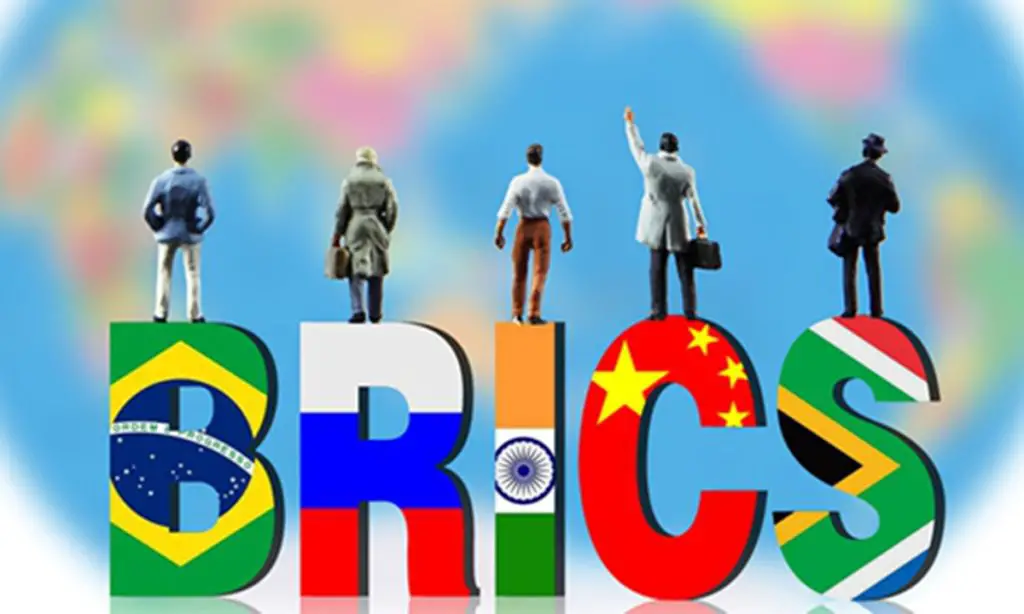
BRICS nations are pivotal in global trade, collectively exporting goods worth trillions of dollars. They are also working on de-dollarizing trade to reduce dependence on Western financial systems.
Future of BRICS Nations
The future looks promising. With initiatives to enhance digital collaboration and infrastructure development, BRICS is poised to redefine global economic dynamics.
Impact of BRICS on Global Politics
BRICS nations often advocate for a multipolar world where no single country dominates. This stance has led them to push for reforms in international institutions like the United Nations.
Environmental Efforts of BRICS Nations
Addressing climate change is a shared priority. From renewable energy projects in Brazil to afforestation in India, BRICS nations are actively working towards sustainable development.
Cultural Collaboration Among BRICS Nations
Art festivals, student exchange programs, and joint movie productions—BRICS isn’t just about economics and politics. It’s also about fostering mutual cultural understanding.
Criticism and Controversies Surrounding BRICS
Critics often point out the lack of cohesion among member states. Additionally, issues like human rights violations and unequal development have raised eyebrows globally.
How Can BRICS Nations Benefit the World?
By promoting innovation, infrastructure, and equitable development, BRICS has the potential to uplift not just its member nations but also other developing countries worldwide.
Conclusion
BRICS nations are like pieces of a puzzle—unique yet complementary. Together, they hold the promise of shaping a fairer and more inclusive global order. Whether it’s through economic contributions, political advocacy, or cultural exchanges, the impact of BRICS is undeniable. The journey of BRICS is far from over, and the world is watching closely.
FAQs
1. What is the main purpose of BRICS?
The main purpose is to foster economic cooperation, political dialogue, and cultural exchange among member countries to create a balanced global order.
2. Why is South Africa part of BRICS?
South Africa was invited to join BRICS in 2010 to represent the African continent and add geographical diversity to the group.
3. What is the New Development Bank?
The New Development Bank, established by BRICS, funds infrastructure and sustainable development projects in member countries and beyond.
4. How do BRICS nations differ from G7?
BRICS focuses on emerging economies, while G7 consists of established, developed nations. BRICS emphasizes inclusivity and equitable growth.
5. What challenges does BRICS face?
BRICS faces challenges like political differences, economic inequality among members, and external pressures from Western nations.
For More Visit : Sportskeeda