
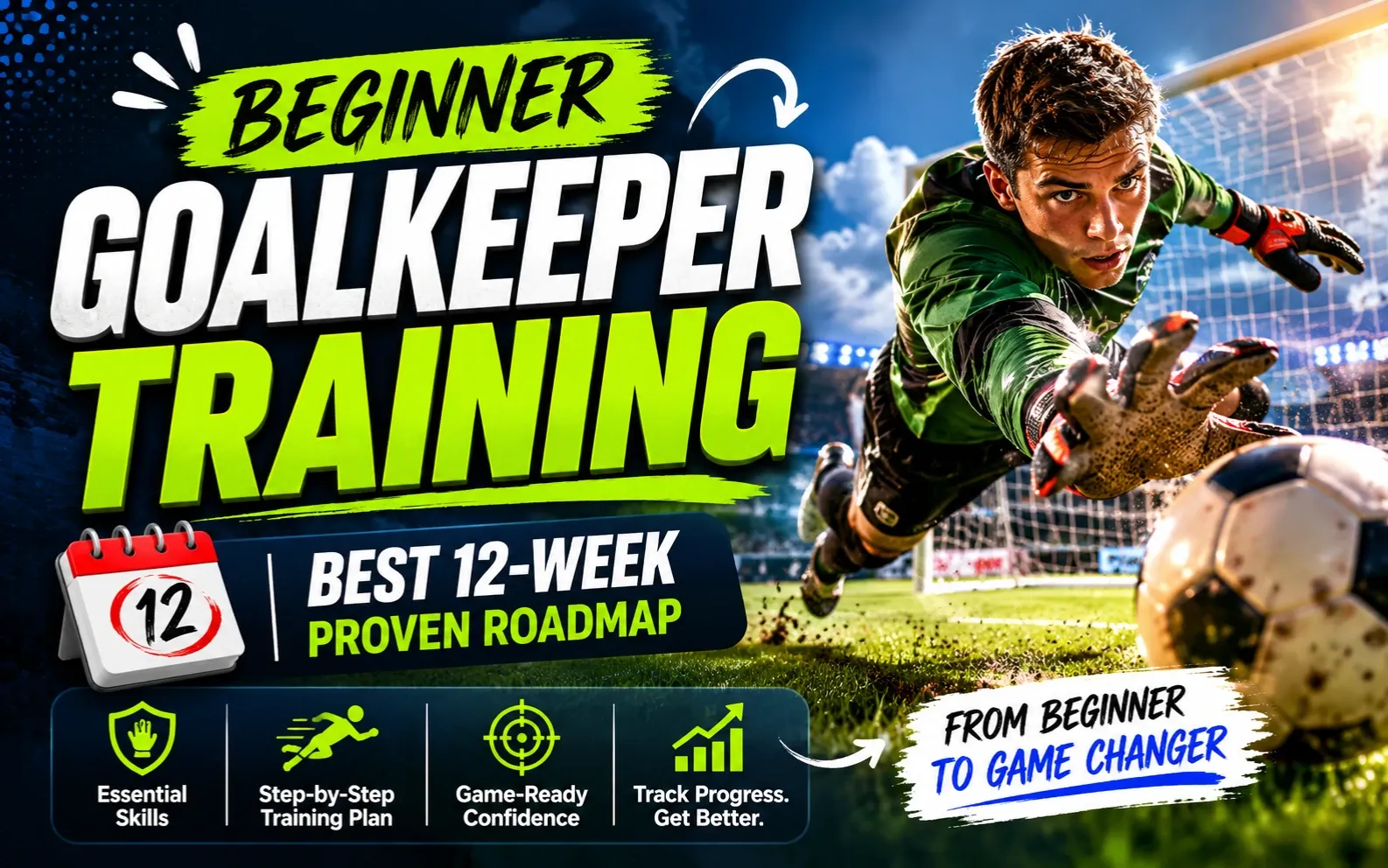
Standing between the posts is the loneliest job on the pitch. You’re the last line of defense and the first point of attack. Learning how to train as a goalkeeper for beginners starts with a shift in your perspective. You are a specialist who controls the entire game from the back. This role requires specific soccer goalkeeper training exercises that differ from what your teammates do.
Why goalkeeper training is different
Outfield players spend their time running miles and perfecting their touch on the ball. Your training should focus on quick bursts of power and fast reactions. You need to be ready to spring into action after standing still for 10 minutes. It’s a game of inches and split-second choices. Positioning is your best friend. A 2-step adjustment can make a world of difference between a goal and a save. You have to think like a chess player while moving like a gymnast. Being in the right spot means you don’t have to make a “miracle” save every time. These goalkeeper positioning tips will help you stay ahead of the striker.
Essential goalkeeper skills to master
Mastering the basics is how you build a solid foundation. You need to master the basics before moving on to harder things. Start with your hands and work your way down to your feet. Make every movement purposeful and under control. Understanding how to be a good goalkeeper begins with these fundamental habits.
Consistency is better than flashy play. If you can catch the ball 100 times out of 100, you’re already ahead. Focus on the simple things until they become second nature. Mastering beginner goalie techniques is the first step toward becoming a reliable starter.
Catching & hand positioning
Your hands should form a “W” shape with your thumbs almost touching. This creates a strong barrier behind the ball. Keep your elbows a little closer to your body and spread your fingers wide to handle the impact better. Proper hand positioning ensures you don’t let easy shots slip through.
Diving technique
Don’t just fall sideways. Step into the line of the ball and push off your lead foot. You want to land on your side, not your stomach or back. Keep your eyes on the ball until it’s safely in your grip. This dive technique is what separates the starters from the bench.
Footwork & agility
Taking short, fast steps helps you move across the goal more smoothly. Never cross your feet while moving laterally. You need to stay on the balls of your feet so you can change direction in an instant. Good footwork for goalkeepers is the base of every great save.
5 beginner drills you can do alone or with a partner
You don’t need a whole team to improve your skills. Professional goalkeepers like James Pantemis use structured drills such as the 5 soccer goalie drills for practice to build muscle memory. These exercises help you react faster and move more efficiently.
Pick a few goalkeeper drills for beginners and do them every day. Repetition is the only way to get your body to react without thinking. Even 20 minutes of focused work can change your game over a few weeks. Start with a goalkeeper warm-up routine to get your joints loose.
Ball-drop catch drill
Hold a ball at chest height and drop it. Try to catch it as close to the ground as possible without letting it bounce. This builds your reaction speed and improves your low-hand positioning.
Side-dive save drill
Start on your knees and have a partner throw balls to your left and right. Focus on the “step and push” motion to get your body behind the ball. It’s a safe way to learn the mechanics of a dive.
Roll-away recovery drill
Push the ball out in front of you, then run after it. Once you grab it, get back to your feet as fast as you can. This mimics the chaos of a real game where you have to make a second save.
Shot-reaction drill
Stand 5 yards away from a wall and throw the ball hard against it. Catch the rebound using the “W” hand technique. The more power you put into a throw, the quicker your hands have to respond.
Footwork ladder drill
Set up a speed ladder and move through it with high knees or lateral shuffles. Keep your head up and your hands in the ready position. Good feet get you to the ball, but good hands finish the job.
Building mental strength as a goalkeeper
You’re going to concede goals. It happens to everyone from youth leagues to the World Cup. The difference is how you handle it. You have to forget the mistake immediately and focus on the next 10 seconds.
Talking with your defenders is also an important part of staying mentally sharp. You see the whole field. Talk to your defenders and tell them where to go. Being loud and confident helps you command the penalty area and keeps you focused on the match.
Gear you need to start training
Good gloves are the most important investment you’ll make. Look for a pair with decent grip and finger protection if you’re worried about injuries. You don’t need the most expensive pair to start. Just find something that fits snug.
You’ll also need a padded jersey and shorts to protect your skin during dives. Shin guards are a must for any soccer activity. Wear turf shoes or cleats depending on the surface you’re training on. A few cone markers will help you set up your drills anywhere.
Common mistakes beginners make
Many new keepers stay glued to their goal line. This gives the striker more of the goal to aim at. Step out a few yards to narrow the angle and make yourself look bigger. It’s a simple fix that prevents a lot of goals.
Flat feet are another big issue. If you’re standing on your heels, you can’t move quickly. Stay on your toes and keep your knees slightly bent. Also, don’t overcommit to a dive too early. You need to read the shooter before you fly through the air.
Next steps: joining a team or clinic
Look for local youth or adult clubs in your area to get some real game experience. Many cities in the USA have youth goalkeeper training programs that focus purely on your position. It’s a great way to learn from coaches who actually played the spot.
Check out some of the top soccer rivalries to see how the pros handle the pressure. You can learn a lot by just watching their positioning and how they talk to their defense. Tryouts are usually held in the spring or fall, so keep an eye on local club websites.
Training as a goalkeeper is a long journey that requires patience and grit. How to train as a goalkeeper for beginners is about showing up every day and doing the boring work. If you stick with it, you’ll become the player your team relies on when the game is on the line. Go get your gloves and start today.