

Introduction
When we talk about football, our minds often jump to world-famous players or managers with glittering trophy cabinets. But sometimes, the true backbone of the sport lies in the consistent, hardworking figures who dedicate their lives to the game. One such figure is Phil Parkinson. From his early playing days to becoming a respected football manager, his journey is a story of resilience, leadership, and passion for the sport.
Think of Parkinson as the kind of manager who may not always stand in the spotlight, but whose steady hand has guided clubs through both stormy seas and moments of glory. His path in football teaches us that success isn’t always about fame—it’s about influence, persistence, and commitment.
In this article, we’ll take a deep dive into his life, career, managerial style, and contributions to football.
Early Life and Background
Phil Parkinson was born in Chorley, England, on December 1, 1967. Growing up in a football-loving community, the sport quickly became more than just a pastime—it was his passion. Like many youngsters, he played in local teams, honing his skills and nurturing dreams of making it professionally.
His humble beginnings shaped his grounded personality. Unlike some who are propelled into stardom, Parkinson’s climb was steady, marked by determination and dedication.
Playing Career Beginnings
Parkinson’s professional journey began with Southampton, but he didn’t make a first-team appearance there. Instead, his playing career truly took off when he moved to Bury in 1988.
At Bury, he established himself as a hardworking midfielder known for his energy, tackling, and leadership. He wasn’t flashy, but he was reliable—the kind of player every manager values in the heart of midfield.
Rise at Reading FC
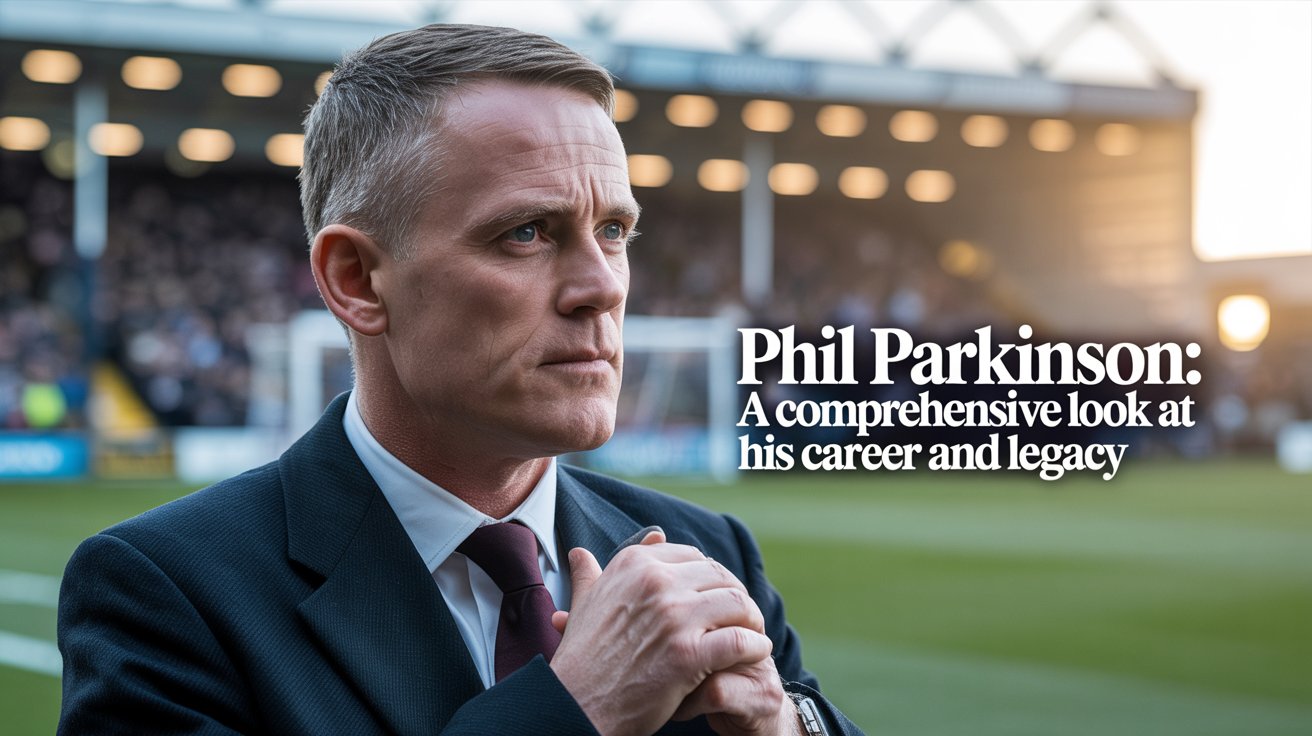
In 1992, Parkinson joined Reading FC, and this move became the defining chapter of his playing career. Over more than a decade, he played over 350 league games for the club, cementing his reputation as a club legend.
-
He captained Reading to promotion to the First Division in 1994.
-
Fans admired his loyalty, consistency, and never-say-die attitude.
-
By the time he retired in 2003, he had left behind a legacy of commitment and leadership.
For Reading fans, Phil Parkinson was more than a player—he embodied the club’s fighting spirit.
Transition into Coaching
After retiring as a player, Parkinson seamlessly transitioned into coaching. His leadership qualities on the pitch naturally flowed into management. His first role came as a coach at Reading before stepping into his first managerial job.
Early Managerial Stints
Parkinson’s first taste of management came with Colchester United in 2003. Against the odds, he led them to promotion to the Championship in 2006, a historic achievement for the club.
This success caught the attention of bigger clubs, and soon he was managing teams like Hull City and Charlton Athletic. Although results varied, his ability to stabilize squads and develop players earned him respect.
Time at Bradford City
Perhaps the most memorable chapter of Parkinson’s managerial career came at Bradford City. Appointed in 2011, he guided the club through an incredible journey:
-
In 2013, Bradford reached the League Cup final, defeating Premier League giants like Arsenal and Aston Villa along the way.
-
Though they lost the final to Swansea, their run became one of the most celebrated underdog stories in English football.
-
He also secured promotion to League One in the same year.
This period showcased Parkinson’s ability to inspire teams, galvanize fans, and achieve the unexpected.
Sunderland and New Challenges

In 2019, Parkinson took over Sunderland, a club struggling to regain its former glory. While his tenure was mixed, he steadied the team and helped lay foundations for future progress.
Managing Sunderland is never easy—the pressure, the expectations, and the history weigh heavily. Yet Parkinson embraced the challenge, showing resilience in one of football’s toughest jobs.
Current Role at Wrexham AFC
Today, Parkinson is making headlines again as the manager of Wrexham AFC, the Welsh club owned by Hollywood stars Ryan Reynolds and Rob McElhenney.
His task? To lead Wrexham back into the English Football League after years in the lower divisions. With the added global spotlight, Parkinson has been balancing both footballing ambition and media attention.
So far, he’s achieved promotion, proving once again that he thrives under pressure. The story of Wrexham’s rise under his leadership is attracting worldwide attention.
Management Philosophy
Parkinson’s management style can be summed up in three words: discipline, hard work, and unity.
-
He values strong team spirit over individual flair.
-
His teams are organized, defensively solid, and tough to beat.
-
He believes in nurturing players, giving them confidence to perform.
If football were a ship, Parkinson would be the steady captain steering it through turbulent waters—never panicking, always focused on the destination.
Memorable Matches and Achievements
Some standout moments in Parkinson’s career include:
-
Bradford’s historic League Cup run in 2013.
-
Promotion with Colchester United to the Championship.
-
Leading Wrexham to promotion, marking a new chapter in the club’s history.
These moments highlight his knack for delivering when it matters most.
Challenges and Controversies
Like any manager, Parkinson has faced criticism. Some questioned his defensive tactics, while others felt he didn’t always adapt to changing game dynamics. His time at Sunderland, in particular, drew mixed reactions from fans.
However, true to his character, he has always handled setbacks with professionalism, learning and moving forward.
Leadership Beyond the Pitch
Parkinson isn’t just about results; he’s also about people. Former players often speak of his ability to motivate, support, and guide them. He has shown that football management is not only about tactics but also about building trust and respect.
Legacy in Football
Phil Parkinson’s legacy isn’t measured by a long list of trophies but by his impact on clubs, players, and fans. He represents the essence of English football: resilience, determination, and loyalty.
From being a Reading legend to inspiring Bradford’s cup run and now steering Wrexham into a new era, his contribution to football is undeniable.
Lessons We Can Learn
What can we learn from Phil Parkinson’s journey?
-
Persistence pays off: Success doesn’t come overnight, but through consistent effort.
-
Teamwork matters: He shows that unity often beats individual brilliance.
-
Adaptability is key: Whether managing smaller clubs or under the media spotlight, Parkinson has adjusted and thrived.
FAQs
1. What clubs did Phil Parkinson play for during his career?
Phil Parkinson played for Bury and Reading, where he became a club legend with over 350 appearances.
2. What is Phil Parkinson most famous for as a manager?
He is best known for leading Bradford City to the 2013 League Cup final, one of the greatest underdog runs in English football.
3. Is Phil Parkinson currently managing a club?
Yes, he is currently the manager of Wrexham AFC, working under the ownership of Ryan Reynolds and Rob McElhenney.
4. What is Phil Parkinson’s management style?
Parkinson focuses on discipline, organization, and teamwork, building strong and united squads.
5. How has Phil Parkinson impacted Wrexham AFC?
He has guided Wrexham to promotion, helping the club regain its status and capture global attention.
Conclusion
Phil Parkinson may not always grab the headlines like Pep Guardiola or Jürgen Klopp, but his story is just as inspiring. He embodies the spirit of football—where passion, persistence, and leadership shine brighter than trophies.
His career reminds us that the beautiful game isn’t just about superstars; it’s about dedicated individuals who keep the heart of football beating.