

Haircuts often reflect personality, lifestyle, and even culture. Some styles come and go quickly, while others remain popular for decades. One haircut that has stood the test of time is the high and tight. Known for its sharp, clean appearance and low maintenance, this haircut has become a favorite among many people around the world.
Originally associated with military grooming standards, this look has evolved into a mainstream style embraced by athletes, professionals, and everyday individuals. But what makes it so appealing? Is it the simplicity, the confidence it projects, or the practicality?
Think of it like a well-tailored suit: simple, structured, and always appropriate. In this guide, we’ll explore everything you need to know about the high and tight haircut—from its origins and variations to styling tips and maintenance.
What Is the High and Tight Haircut?
The high and tight is a short haircut where the sides and back are clipped very short, while the hair on top remains slightly longer.
Key elements include:
-
Very short sides
-
Sharp contrast between top and sides
-
Minimal styling needed
The haircut creates a clean, structured look that highlights the shape of the head and face. Because of its simplicity, it’s often considered one of the most practical hairstyles available.
The History Behind the Style
The high and tight has strong roots in military culture. For many years, armed forces required soldiers to keep their hair short for hygiene and discipline.
Why soldiers adopted this haircut:
-
Easier helmet fit
-
Improved cleanliness
-
Reduced maintenance
-
Uniform appearance
Over time, civilians began adopting the style because of its neat and masculine look. Today, it’s no longer limited to military settings—it’s a mainstream haircut found in barbershops worldwide.
Why the High and Tight Remains Popular
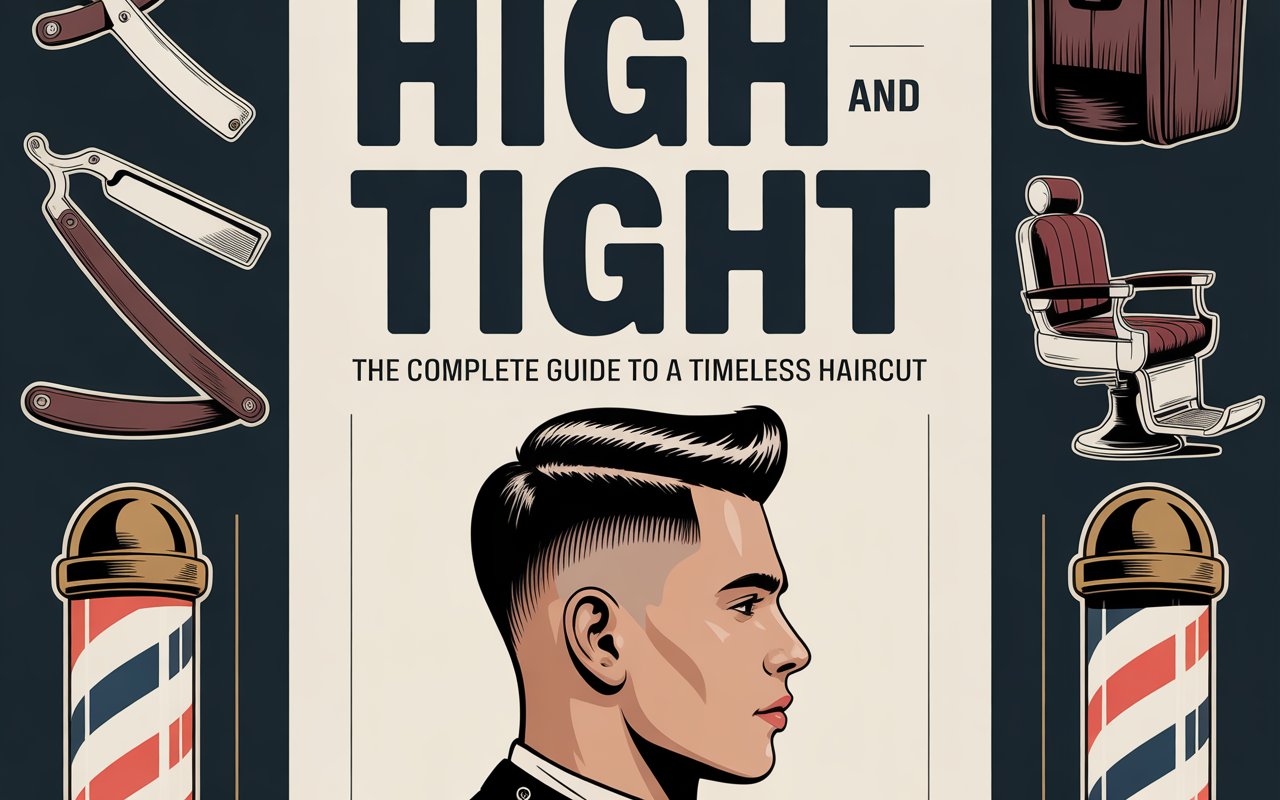
Trends change quickly in fashion and grooming. Yet the high and tight continues to stay relevant.
Reasons for its lasting popularity:
-
Low maintenance
-
Clean professional look
-
Works in many environments
-
Quick haircut appointments
Imagine waking up in the morning without worrying about fixing your hair. That convenience alone makes the style appealing to many people.
Key Features of the High and Tight
Understanding the main features helps distinguish the high and tight from other short hairstyles.
Important characteristics include:
Short sides and back
The hair is usually clipped very close to the scalp.
Longer top section
The top remains slightly longer for contrast.
Clear transition
The difference between top and sides is noticeable.
Sharp neckline
A clean edge around the neck enhances the structured look.
These elements combine to create a bold yet simple haircut.
Different Variations of the High and Tight
While the classic version is simple, several variations exist.
Classic High and Tight
This version stays closest to the traditional military style with very short sides and a short top.
High and Tight Fade
Instead of a sharp contrast, the hair gradually fades from short to longer.
High and Tight with Texture
The top section is slightly longer and styled for added movement.
High and Tight Recon
A more extreme version where the sides are shaved almost completely.
Each variation offers a slightly different personality while keeping the same basic structure.
Who Should Try This Haircut?
The high and tight works well for many lifestyles.
Ideal for people who:
-
Prefer simple grooming routines
-
Live active lifestyles
-
Want a professional appearance
-
Like clean and sharp hairstyles
Students, athletes, professionals, and military members often choose this style for its practicality.
Face Shapes That Suit the Style
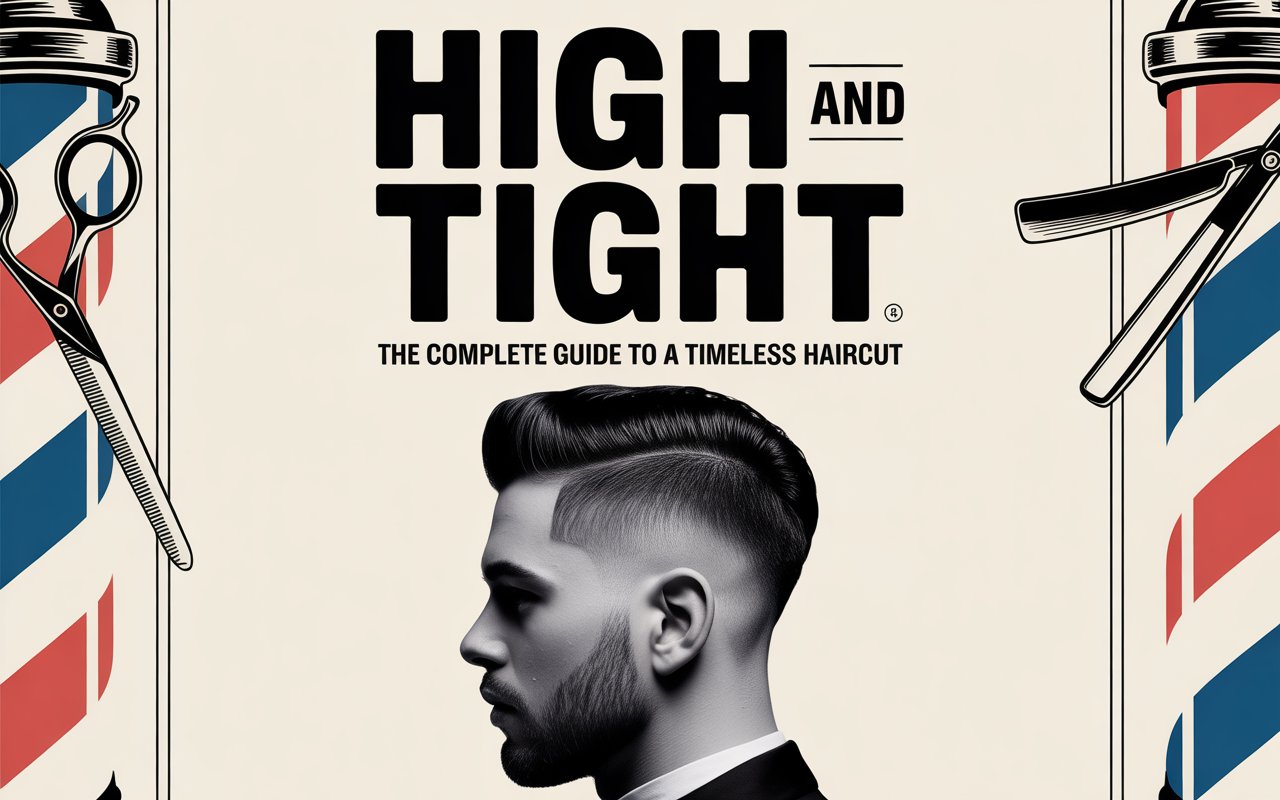
Haircuts often look better depending on face shape.
Best matches include:
Oval face
Almost any haircut works well, including the high and tight.
Square face
The sharp edges of the haircut complement strong jawlines.
Round face
The height on top can make the face appear longer.
However, people with very narrow or long faces may prefer slightly more volume on the sides.
How to Ask Your Barber for It
Getting the haircut you want often depends on how clearly you explain it.
Helpful tips when visiting a barber:
-
Ask for short sides and back
-
Request a high fade or tight clip
-
Leave some length on top
-
Bring a reference photo
Clear communication helps the barber deliver exactly what you expect.
Styling and Grooming Tips
One of the best things about the high and tight is that styling is minimal.
Basic styling routine:
-
Wash your hair regularly
-
Towel dry after showering
-
Apply a small amount of styling product
-
Comb or finger-style the top
Some people prefer a natural look, while others use light pomade or wax for texture.
Maintenance and Hair Care
Although the style is low maintenance, regular trims are important.
Maintenance tips:
-
Get a haircut every 2–3 weeks
-
Keep the neckline clean
-
Use quality shampoo
-
Moisturize the scalp
Because the hair is short, growth becomes noticeable quickly.
Pros and Cons of the High and Tight
Every hairstyle has advantages and disadvantages.
Pros
-
Easy to maintain
-
Quick to style
-
Clean appearance
-
Comfortable in warm climates
Cons
-
Requires frequent haircuts
-
Limited styling options
-
May feel too short for some people
Understanding these factors helps decide if the haircut is right for you.
Modern Trends and Cultural Influence
Over the years, the high and tight has moved beyond military culture.
Today, it appears in:
-
Sports teams
-
Fashion magazines
-
Movie characters
-
Celebrity styles
Barbers have also experimented with fades, textures, and modern variations to keep the haircut fresh and stylish.
High and Tight vs Similar Haircuts
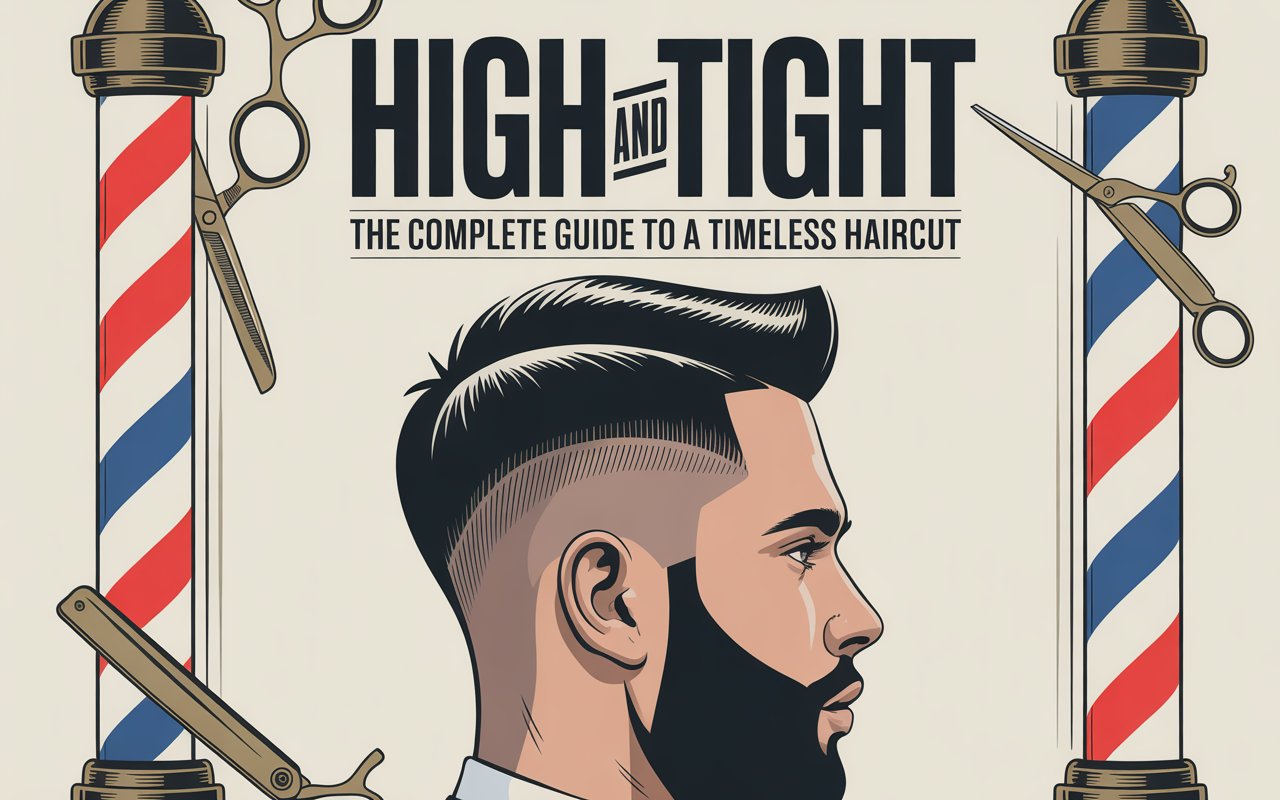
Several hairstyles resemble the high and tight, but they are slightly different.
Buzz Cut
Hair is the same length all around.
Crew Cut
The top is longer, but sides are not as tight.
Fade Haircut
Focuses more on gradual blending.
The high and tight haircut is easily recognized for its bold contrast between the closely trimmed sides and the slightly longer hair on top, creating a sharp and streamlined appearance.
Common Mistakes to Avoid
When getting this haircut, small mistakes can affect the result.
Avoid these issues:
-
Cutting the top too short
-
Uneven fades
-
Ignoring scalp care
-
Waiting too long between trims
Choosing an experienced barber makes a big difference.
FAQs
1. How frequently should you trim a high and tight haircut to keep it looking sharp?
Most people need a trim every two to three weeks to maintain the sharp appearance of the style.
2. Is the high and tight suitable for all hair types?
Yes. Straight, wavy, and slightly curly hair can all work well with this haircut.
3. Can the high and tight look professional?
Absolutely. Its clean and structured appearance makes it appropriate for workplaces, formal environments, and everyday settings.
4. Does the high and tight require styling products?
Not necessarily. Some people use light pomade or wax, but the haircut often looks good without any product.
5. What is the difference between a high and tight and a buzz cut?
A buzz cut keeps the same length everywhere, while the high and tight has short sides with a slightly longer top.
Final Thoughts on This Classic Look
The high and tight haircut proves that simplicity can be powerful. With its clean lines and practical design, it offers a style that fits modern life perfectly.
Whether you’re someone who prefers minimal grooming or simply enjoys a neat appearance, this haircut delivers reliability and confidence. Like a well-kept garden or a freshly ironed shirt, the high and tight sends a quiet message: you value order, clarity, and simplicity.
And sometimes, that’s exactly what a great hairstyle should do.