

Totopos may look like simple crunchy triangles, but there’s a whole story hiding behind that crisp bite. Ever dipped a tortilla chip into salsa and wondered where it really came from? You’re not alone. These humble corn-based snacks have traveled through centuries, kitchens, and cultures to land on our tables today. Think of totopos like a well-worn recipe book—each page tells a story of tradition, adaptation, and shared joy.
In this guide, we’ll walk through everything you need to know about totopos in a friendly, no-fuss way. Whether you’re a curious foodie or someone who just enjoys a good crunch, you’ll find something to love here.
What Are Totopos?
Totopos are pieces of corn tortilla that are cut, cooked, and crisped to create a crunchy snack. Traditionally, they are made from corn that has been treated and ground into dough, shaped into thin rounds, and then cut into triangles. Once cooked, they become firm and crisp—perfect for scooping, dipping, or simply munching.
You can think of them as the sturdy sidekick to sauces and spreads. They don’t steal the spotlight, but without them, the whole experience feels incomplete.
The Origin and History of Totopos
Totopos trace their roots back to ancient Mesoamerican civilizations, where corn was more than food—it was life itself. Early communities relied on corn as a daily staple, and tortillas were a practical way to prepare and eat it.
When tortillas went stale, resourceful cooks didn’t throw them away. Instead, they cut and toasted them, giving birth to what we now recognize as totopos. It’s a great reminder that some of the best ideas come from simple problem-solving.
Totopos vs Tortilla Chips
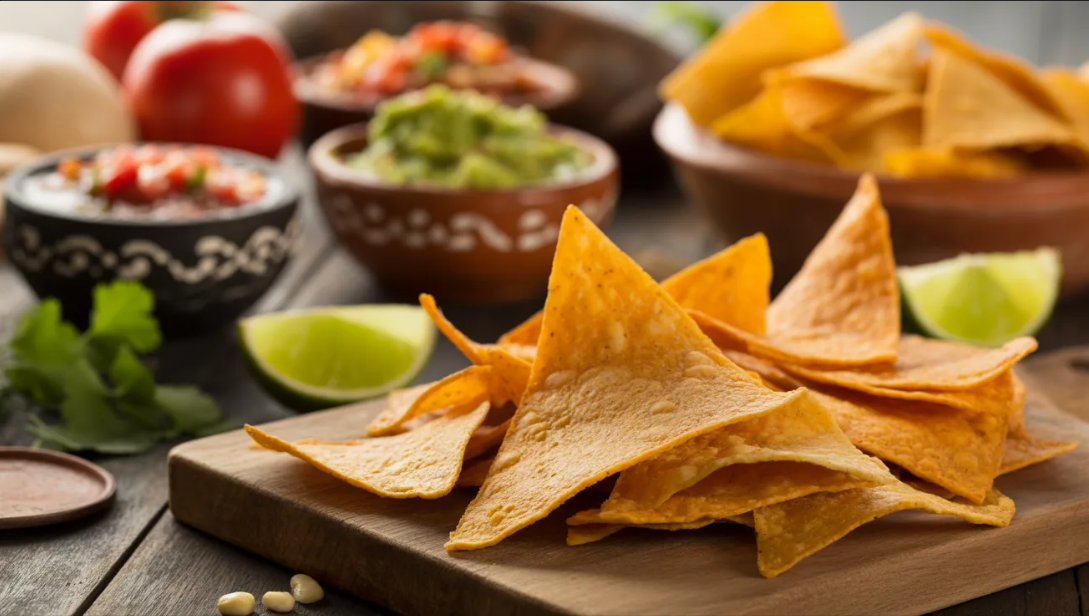
People often use these terms interchangeably, but they’re not exactly the same.
Totopos traditionally refer to toasted or baked pieces of tortilla, often thicker and sturdier. Tortilla chips, especially the commercial kind, are usually thinner and fried.
The difference is a bit like homemade bread versus store-bought slices. Both work, but one carries a deeper sense of tradition.
Ingredients That Make Totopos Special
At their core, totopos are refreshingly simple.
Key elements include:
-
Corn dough made from treated kernels
-
Water
-
A touch of salt
That’s it. No complicated additives. The magic lies in how these basics come together. The quality of the corn and the preparation method make all the difference in texture and flavor.
Traditional Preparation Methods
Traditionally, tortillas are cooked on a flat surface until just done. Once cooled, they’re cut into pieces and toasted again until crisp.
This double-cooking process gives totopos their signature firmness. It’s like letting bread dry before turning it into croutons—time and patience create the crunch.
Modern Production and Variations
Today, totopos are produced in many ways. Some are baked, others fried, and some use different types of corn for varied color and taste.
Common variations include:
-
Blue corn versions
-
Thicker, rustic styles
-
Thin, light crunch types
While methods have evolved, the heart of totopos remains the same.
Cultural Importance in Daily Life

Totopos aren’t just snacks; they’re part of social moments. They show up at family meals, celebrations, and casual gatherings.
They encourage sharing. After all, who eats totopos alone without offering a dip to others? In many ways, they’re a symbol of togetherness.
Totopos in Global Cuisine
As cuisines blend across borders, totopos have found a place far beyond their origins. You’ll see them paired with all kinds of spreads and toppings around the world.
From casual cafés to fusion kitchens, totopos adapt easily—like a blank canvas ready for any flavor.
Nutritional Perspective
From a nutritional point of view, totopos are mainly a source of energy from corn. When prepared simply, they can fit into balanced eating habits.
Portion size matters, of course. A handful enjoyed mindfully is very different from mindless munching straight from the bag.
How Totopos Are Commonly Served
Totopos shine when served with something to scoop.
Popular serving styles include:
-
Alongside fresh sauces
-
As a base for layered dishes
-
As a crunchy side for soups
Their firm structure makes them reliable, even with thick toppings.
Popular Dips and Pairings
A totopo without a dip is like a pen without ink—it works, but it’s missing something.
Common pairings include:
-
Tomato-based sauces
-
Mashed vegetable spreads
-
Creamy blends
The contrast between crunch and smoothness is what makes each bite satisfying.
Homemade Totopos: A Simple Idea
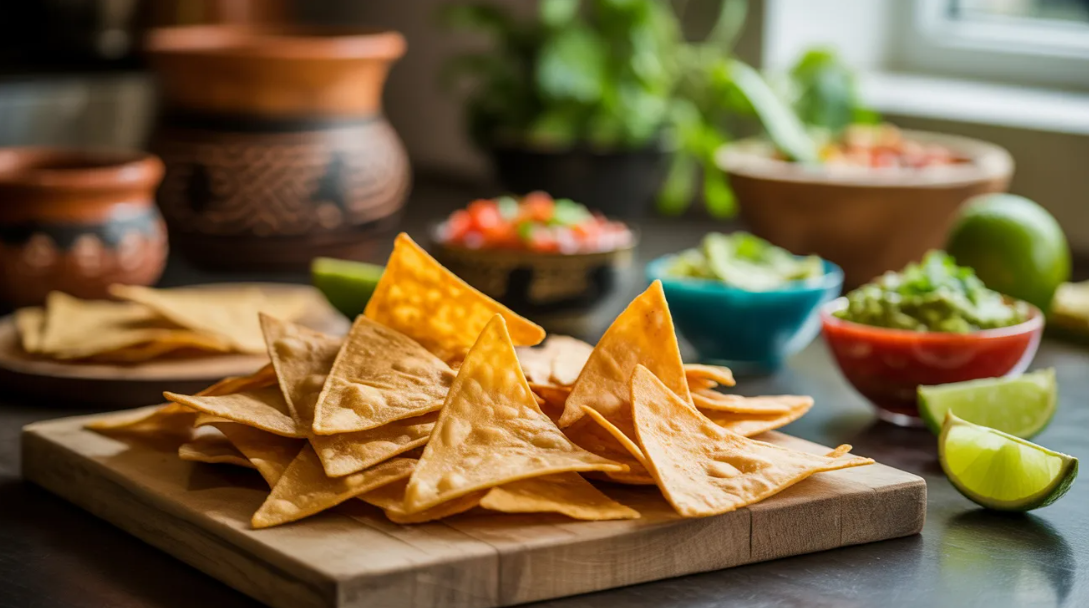
Making totopos at home can be surprisingly easy. Leftover tortillas, a knife, and some heat are all you need.
Cut, toast, and enjoy. There’s something deeply satisfying about turning leftovers into something crave-worthy.
Sustainability and Corn Heritage
Corn has been cultivated for thousands of years, and totopos are part of that long relationship between people and land.
Using every part of a tortilla, even when it’s no longer fresh, reflects a mindset of respect and sustainability that still matters today.
Why Totopos Still Matter Today
In a world full of processed snacks, totopos stand out for their simplicity and history. They remind us that good food doesn’t need to be complicated.
Sometimes, all it takes is corn, care, and a little crunch.
Frequently Asked Questions
1. Are totopos the same as regular chips?
No, totopos are traditionally thicker and often toasted or baked rather than thin and heavily fried.
2. Can totopos be made at home easily?
Yes, leftover tortillas can be cut and toasted to make simple homemade totopos.
3. What makes totopos culturally important?
They reflect resourcefulness, tradition, and the central role of corn in daily life.
4. Are totopos always made from corn?
Traditionally, yes. Corn is the foundation of authentic totopos.
5. Why are totopos often served with dips?
Their sturdy texture makes them ideal for scooping, enhancing both flavor and experience.
Conclusion
Totopos may seem ordinary at first glance, but they carry centuries of tradition, creativity, and shared experience. From ancient kitchens to modern tables, they’ve proven that simple foods often have the deepest roots. Next time you pick one up, remember—you’re holding a small piece of history.