

Your smile is usually one of the first features people notice when they meet you. It communicates warmth, confidence, and personality. But for some individuals, smiling widely can reveal more gum tissue than they would like. This condition is commonly called a gummy smile.
While it isn’t a medical problem in most cases, it can affect how people feel about their appearance. Many people wonder: Why do my gums show so much when I smile? But can anything actually be done to improve it?
Fortunately, modern dentistry provides several reliable and effective solutions to improve this condition. Whether the cause is related to the lips, teeth, or jaw, there are solutions that can help create a more balanced look. Think of it like adjusting the frame around a picture—sometimes a small change can make the entire image look more harmonious.
In this guide, we’ll explore what causes a gummy smile, why it happens, and what treatment options are available. By the end, you’ll have a clear understanding of this common condition and the ways it can be improved.
What Is a Gummy Smile?
A gummy smile occurs when a person shows an excessive amount of gum tissue when smiling. Dentists generally describe this condition as showing more than three to four millimeters of gum above the upper teeth.
For some people, this gum display is barely noticeable. For others, it can be quite prominent and affect how they feel about smiling in photos or social situations.
But it’s important to remember something: every smile is unique. A gummy smile is not a disease or a sign of poor dental health. It’s simply a variation in how teeth, gums, lips, and jaw structures work together.
How Much Gum Display Is Considered Normal
A natural smile typically shows a small strip of gum above the upper teeth. This is completely normal and often considered aesthetically pleasing.
Dentists usually categorize smiles into three types:
Low Smile Line
Only the teeth are visible, with little or no gum showing.
Average Smile Line
The upper teeth and a small amount of gum are visible.
High Smile Line
A larger portion of gum tissue appears above the teeth.
A gummy smile falls into the high smile line category.
But here’s an interesting point: beauty standards vary. In some cultures and fashion trends, a slightly gummy smile is seen as charming and youthful.
Common Causes of a Gummy Smile
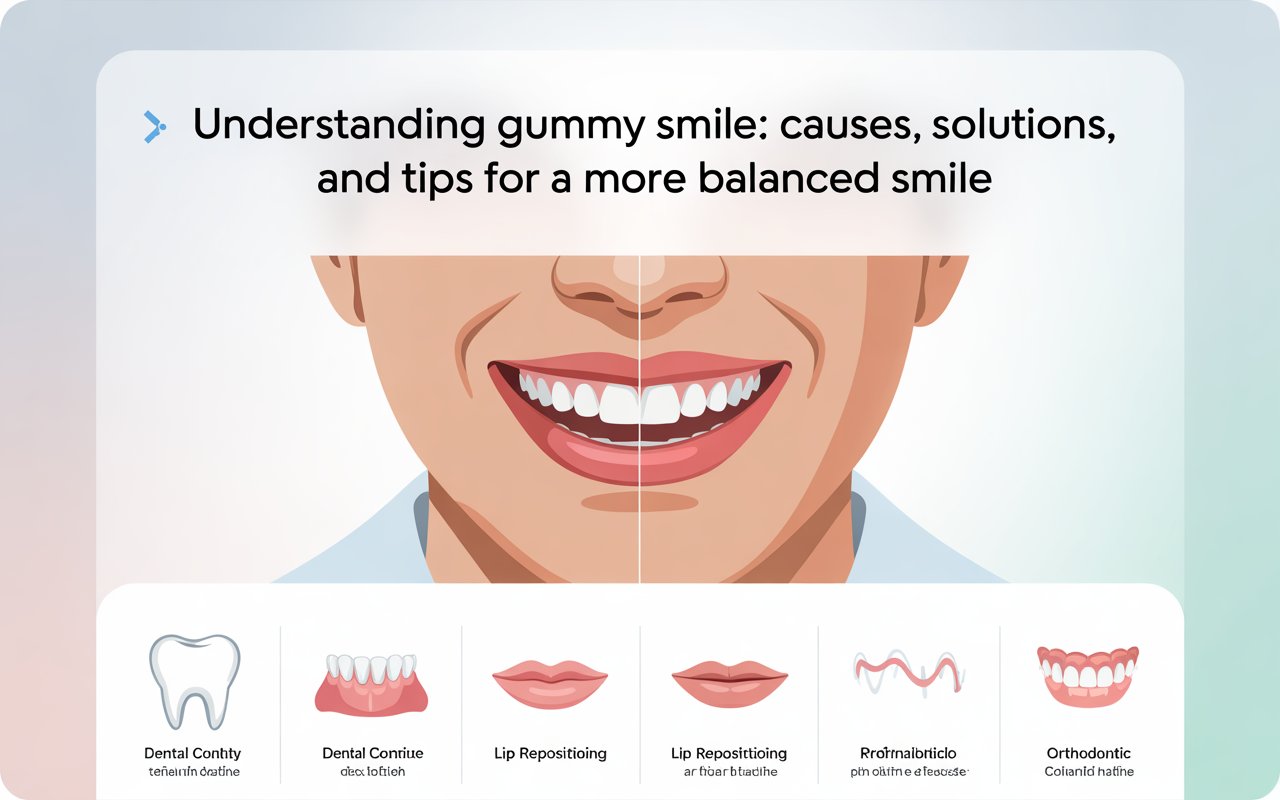
There isn’t just one reason for this condition. Instead, several factors may contribute.
1. Lip movement
Some people have upper lips that lift higher when smiling.
2. Gum overgrowth
Excess gum tissue may cover parts of the teeth.
3. Small teeth
If teeth appear shorter, gums may look more prominent.
4. Jaw positioning
The upper jaw might grow more vertically than usual.
5. Genetics
Family traits often influence facial structure.
Think of your smile like a stage performance. The teeth, lips, gums, and jaw are all actors, and when one of them takes center stage, the overall appearance can change.
Genetics and Facial Structure
Genetics play a powerful role in shaping our smiles. Just as eye color or height can run in families, facial structure and gum display can also be inherited.
If one or both parents have a gummy smile, there’s a chance their children might have similar characteristics.
This doesn’t mean the smile is flawed. It simply reflects the natural blueprint of facial development.
The Role of Lips in Your Smile
The upper lip plays a major role in how much gum is visible.
Some individuals have what dentists call a hyperactive upper lip. This means the lip lifts higher than usual when smiling.
When that happens, more gum tissue becomes visible above the teeth.
A simple way to imagine this is like lifting a curtain too high on a window. The higher the curtain goes, the more of the wall behind it becomes visible.
Teeth Size and Gum Coverage
Sometimes teeth appear shorter than average. This can happen for several reasons:
Excess gum tissue covering the teeth
Natural tooth shape
Wear from grinding or aging
When teeth look small, gums may appear more dominant in a smile. Dentists often call this condition altered passive eruption, where the gums do not recede enough to expose the full tooth surface.
Jaw Growth and Alignment
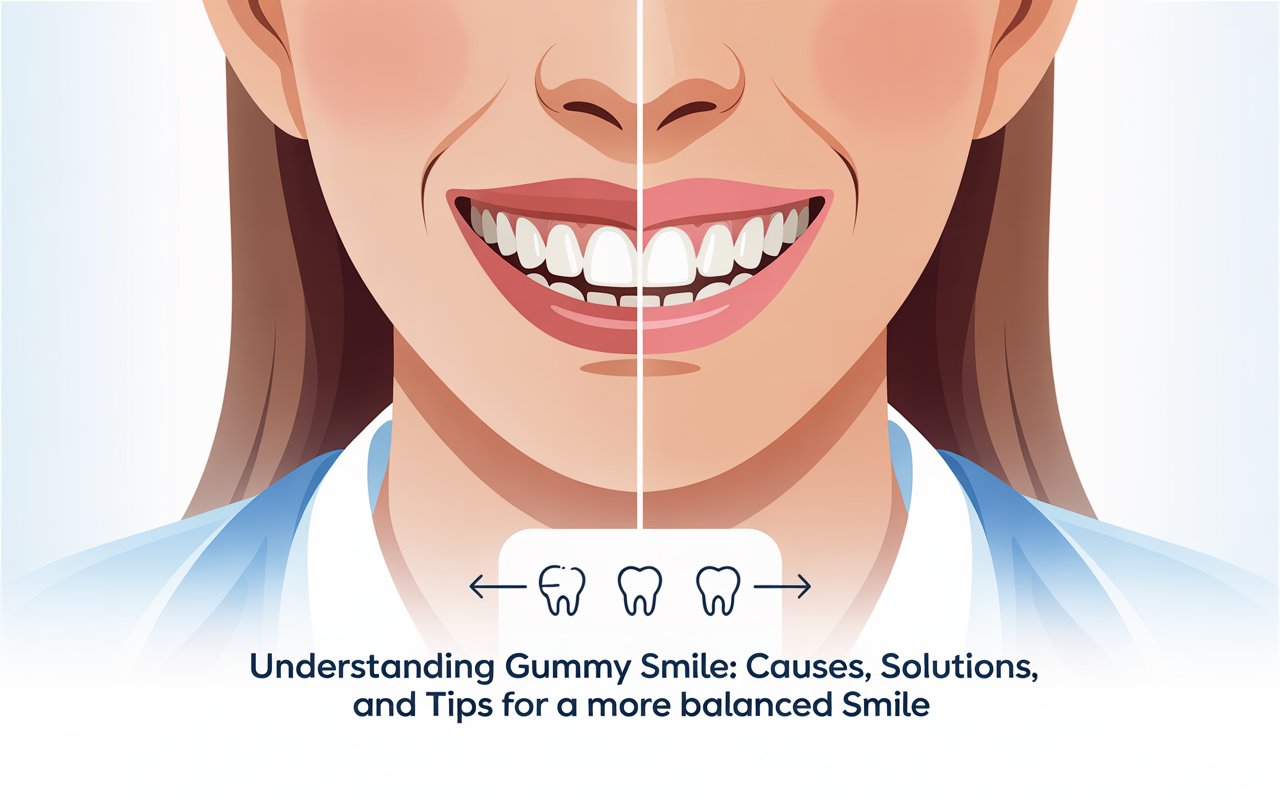
In certain cases, the upper jaw grows longer vertically than normal. This condition is sometimes referred to as vertical maxillary excess.
When the jaw is positioned this way, the upper gums naturally show more when smiling.
This is usually noticeable during adolescence as facial bones develop.
However, only severe cases require surgical correction.
Psychological Impact and Self-Confidence
Although a gummy smile is harmless, it can influence how people feel about themselves.
Some individuals may:
-
Avoid smiling in photos
-
Cover their mouth when laughing
-
Feel self-conscious in social settings
Confidence is closely tied to how we perceive our appearance. If someone feels uncomfortable with their smile, it can affect their daily interactions.
But the important thing to remember is that many well-known personalities have gummy smiles, and they are often considered distinctive and charming.
Non-Surgical Treatment Options
For mild cases, non-invasive treatments can help reduce gum visibility.
Botox injections
Botox can relax the muscles that lift the upper lip. When the lip doesn’t rise as high, less gum shows.
Dermal fillers
Fillers can add volume to the lip area, creating a more balanced smile.
Orthodontic treatment
Braces or clear aligners may reposition teeth and adjust how the smile appears.
These treatments are usually quick and involve minimal recovery time.
Cosmetic Dental Procedures
Dentists also offer several cosmetic procedures that can improve the balance between teeth and gums.
Gum contouring
This procedure reshapes excess gum tissue to reveal more tooth surface.
Laser gum reshaping
A laser is used to gently remove small amounts of gum tissue.
Dental veneers
Thin porcelain shells placed on teeth can improve size and proportions.
These procedures are often completed in one or two visits.
Surgical Solutions for Severe Cases
When the cause is related to jaw structure, surgery may be recommended.
Orthognathic surgery
This procedure repositions the upper jaw to correct vertical alignment.
Although it sounds intimidating, modern surgical techniques are highly precise and safe when performed by experienced specialists.
Recovery may take several weeks, but the results can be long-lasting.
Cost and Recovery Considerations
Treatment costs can vary based on the method selected.
Approximate ranges may include:
-
Botox: $200 – $600 per session
-
Gum contouring: $300 – $3000
-
Orthodontics: $3000 – $7000
-
Jaw surgery: $20,000 or more in complex cases
Recovery time also varies. Non-surgical procedures usually involve little downtime, while surgical treatments may require longer healing periods.
A dentist can help determine the most appropriate solution based on your situation.
Prevention and Oral Care Tips
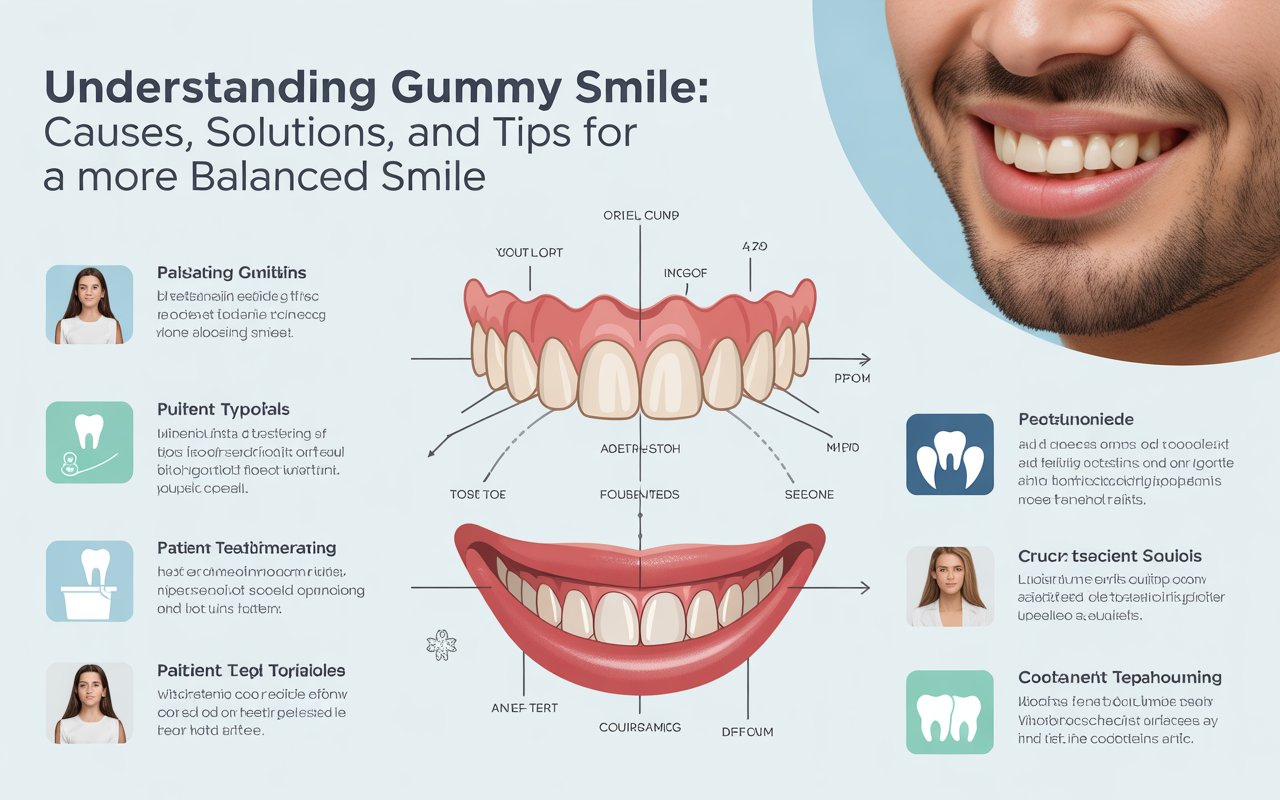
While some causes are genetic, maintaining good oral hygiene supports healthy gums and teeth.
Helpful habits include:
-
Brushing twice daily
-
Flossing regularly
-
Visiting a dentist for routine checkups
-
Avoiding tobacco products
-
Treating gum disease early
Healthy gums create the foundation for a beautiful smile.
When to See a Dental Professional
If you feel concerned about how your gums appear when smiling, consider consulting a dentist or orthodontist.
A professional evaluation can determine:
-
The underlying cause
-
The severity of gum display
-
Possible treatment options
Sometimes the solution is simpler than expected.
Even a small adjustment can significantly improve the balance of a smile.
FAQs
1. Is a gummy smile harmful to oral health?
No. A gummy smile is usually a cosmetic concern rather than a health problem. However, excessive gum tissue can sometimes make oral hygiene more challenging.
2. Can a gummy smile be fixed without surgery?
Yes. Many mild cases can be improved with non-surgical treatments such as Botox, orthodontics, or gum contouring.
3. At what age can treatment for a gummy smile begin?
Most treatments are recommended after facial growth is complete, usually in the late teenage years or adulthood.
4. How long do Botox treatments for a gummy smile last?
Botox results typically last three to six months, after which additional treatments may be needed to maintain the effect.
5. Is gum contouring painful?
Gum contouring is usually performed with local anesthesia, so discomfort is minimal. Recovery usually takes only a few days for most people.
Final Thoughts on Achieving a Balanced Smile
Many people don’t realize how common a gummy smile actually is. It can result from various factors including lip movement, tooth size, gum tissue, or jaw structure.
The encouraging news is that modern dentistry provides multiple ways to address it, from simple cosmetic treatments to advanced procedures for more complex cases.
However, the most important thing to remember is that a genuine smile is always beautiful. Confidence and authenticity often shine brighter than perfect proportions.
If you’re curious about improving your smile, talking with a dental professional can help you explore options that suit your goals and comfort level.